Founder Fundraising Journey: Craig Dubitsky, Happy Products
Craig Dubitsky
If it's a first time fundraise for you as a founder, or might be your third, fourth, second company, whatever. Something that's worked for me is stacking the deck by magnetizing your idea and your business, even if it's in its earliest state, so that some really incredible people can be. Call it your advisory board. Right? Take like a, Take it like in my experience, the really good folks. And by good, I don't just mean like, they've got a great resume. I mean like they're good people, like they care, they give a shit. They want to really be helpful. Not like, what you gonna give me, like people that are like, what you gonna give me that's transactional. And those aren't the folks I think you wanna necessarily surround yourself with.
00:50
Craig Dubitsky
If you can find the true believers that have had some great experience, that are maybe a little further in their career and that have some glimmer to them and their resume and their background and their networks are. Find those people and they're out there. You have to avail yourself.
01:10
Hannah Dittman
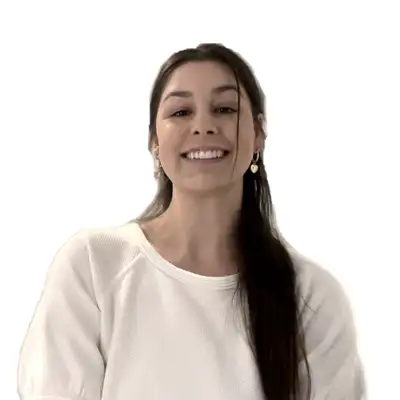
Hey everyone, I'm Hannah Dittman, operations and finance host of the Startup CPG podcast. And today I'm excited to be joined by Craig Dubitsky, founder and CEO of Happy. Craig is an iconic brand builder who has created category defining household staples like Eos and hello to name a few. He's built brands that make everyday routines feel more joyful, thoughtful and rooted in what matters most to him and people. He's deeply experienced in business, building capital management, fundraising and navigating strategic partnerships. Post acquisition with his newest venture, Happy Craig is now reimagining How Coffee can make us Feel. Co founded alongside Robert Downey Jr. And in partnership with the national alliance on Mental Illness.
01:52
Hannah Dittman
In this episode, Craig shares lessons learned what surprised him most throughout his brand building journey, what founders should have in place before embarking on a fundraiser, and his mental models for approaching business building, fundraising and capital management. This episode is packed with wisdom from a seasoned pro who truly lives out the core business and brand beliefs he talks about, most notably the importance of people and being a good one. Enjoy. Hey everybody, welcome back to the Startup CPG podcast. This is Hannah and today we're in for a treat because we've got an awesome founder fundraising journey episode with Craig Dubitsky of Happy Craig. Welcome to the show.
02:32
Craig Dubitsky
Hello. Happy to be here. Thanks for having me.
02:35
Hannah Dittman
Yeah, we're also happy you're here. We're going to have a lot of those puns today. I'd love to start with a brief background of Your career journey and the path that led you to happy.
02:45
Craig Dubitsky
Wow, that's a loaded question. Yeah, I think we need to have like a little kitty set aside just for every time we say happy. We'll put a nickel in there.
02:52
Hannah Dittman
Yeah, take a shot.
02:53
Craig Dubitsky
Yeah, here we go. I've never really thought of anything I've been lucky enough to be a part of as a career. To be really blunt, I'm the luckiest person you just met. If you're watching this, I'm sorry you're looking at me. But I'm really glad you're here career wise. Again, a word I'm pretty uncomfortable with was lucky enough to get involved with cpg because I love people as corny as that's going to sound and I love design and brand and culture. I'm really allergic to the word consumer. That's why when I said CPG before, I kind of cringe a little bit. I think people write their narratives through their stuff and there's a great opportunity to try your best to provide better stuff. And better, by the way, defined a lot of different ways. Right.
03:37
Craig Dubitsky
It could be more beautiful, more affordable, more environmentally sound. Whatever your metric is for better, there's a lot of room there to play. So I admittedly obsessed with trying to create things that people can hopefully fall in love with and get to use every day. So my career path super quick started out as a trader, as derivatives trader. I did not like that. It did not make me happy.
04:01
Hannah Dittman
Yeah, I don't know if that necessarily translated into better things for making people happy.
04:07
Craig Dubitsky
No, it was not my calling. And my bride, I'm very lucky that I completely married up on so many levels. Said to me like, what are you doing? I'm like, what do you mean what am I doing? I got this job and it's paying our rent. And she's like, I don't care about that. I'd live in a tent with you. You have one life. This is not what you're supposed to be doing.
04:26
Hannah Dittman
That's so amazing. What a solid partner.
04:28
Craig Dubitsky
So awesome. Anyway, she's like, I've known you for a long time. You're an entrepreneur, you're a creative person. What are you doing? So very long story made very short. I stopped trading. I started a company to try to imagine what moving, a relocation could be like if it were a little bit more modern and lovely and fascinating as opposed to onerous, tedious, heavy and difficult. And the company luckily went through some interesting times. Ultimately was acquired by a big self storage group. And I Sort of got recruited into a completely different role at the largest owner of retail real estate, believe it or not. And I sort of was their internal venture, private equity, non core real estate strategy person and was introduced by my old CFO to the co founders of Method Products.
05:17
Craig Dubitsky
And we bonded over design and packaging because believe it or not, even though I was a derivative trader as a kid, I loved design and I loved packaging. And I remember being a kid and going to the UK and not being able to control myself and go to a boots and I bought shampoo. Why look at me, I don't have a lot of hair, at least nothing great, right? As a kid maybe I had more, but I bought like a three pound bottle of shampoo. And never forget Charles Worthington, that was the brand. Because we didn't have anything like that in America. And I was like, God, can you imagine if we had this in America? Like as a kid I was always really into packaging.
05:53
Craig Dubitsky
So I met with Adam and Eric, the founders of Method and Eric Ryan in particular for this part of the story and bonded over design and packaging really early when Eric and Adam were literally like mixing product in their bathroom and kind of never looked back. So here's the shorter version from cpg. Met the Method guys, totally believed there was this bigger idea there instead of ideals there. I didn't start Method. I just was very lucky to meet Adam and Eric when they were very early in their journey and believed and I led the original investment in Method, was a founding board member in Method and then just kind of never looked back. So the greatest hits for me, and yes, I'm saying that in a facetious way, have been lucky enough to meet Adam and Eric early, get involved with Method.
06:35
Craig Dubitsky
I then started a company to go make or build or buy or hopefully invest in other companies. And what came out of that was really the creation of eos. If you've ever seen Eos or used Eos. And after Eos I went to go work with a large investment bank for a little bit that was investing in consumer. Had invested in the consumer space. And I helped with a snack food company called Popcorn Indiana to do some things there. And after that I left, I think in a very positive way to go start a company called hello. If you have teeth, you should be using this stuff. It's really great. So I started hello, Me, four people and a dog around my table in Montclair, New Jersey. And ultimately were able to do some really fun things with hello. Grew that business.
07:21
Craig Dubitsky
It became the fastest growing oral care brand in North America, which is pretty cool. And were acquired by Colgate. Paul Mollev and I served as the chief innovation person for Colgate and then had this wild opportunity to start this new thing called Happy. In fact, I might have to have some right now. It's really good, so I'm going to have some.
07:42
Hannah Dittman
It's so good.
07:44
Craig Dubitsky
It's so good. Especially this new one. Oh, my word.
07:47
Hannah Dittman
Is that pistachio?
07:48
Craig Dubitsky
Yes, it is. It's all kinds of good.
07:51
Hannah Dittman
I had that one. It's so good. Yeah. And it's so different.
07:54
Craig Dubitsky
It's ridiculous. Anyway, I'm sorry to break into my own product here.
07:57
Hannah Dittman
Please do. You would. Wouldn't be a founder if you weren't.
08:00
Craig Dubitsky
Well, you're sh. Shameless Plug. It's really good. So if you haven't tried it, you have to try it. So started Happy, and we're about 20 months or so, maybe 21 months in the real world, in the marketplace, and growing real fast and having a really good time and working very hard. As I know anyone who's watching this, thank you for taking a little break from what you normally do to spend a little time listening to a person like me rant about entrepreneurship, design, funding, whatever it might be.
08:31
Hannah Dittman
No. Oh, my gosh. We're so lucky to have you here today. You're so humble. Your resume clearly speaks for itself. And I think you've already touched the lives probably of so many of the listeners here and outside of this as well, with your products, and have brought a little happiness and pep into their days. I might be misspeaking here, but one part of your background that I believe to be true is that you also went to art school, is that correct? And kind of drove some of the design.
08:59
Craig Dubitsky
Yeah. Well, I love music, and I'm in sort of a third office area that I have now. It's actually this old. I call it the Spooky Mansion. It's this old stone manor house that's along the Delaware river, which on certain days, when I'm lucky and I get to be out in the woods, this is where I try to hole up, but I don't have any guitars next to me here, probably because I don't want to disturb the ghosts. But, yeah. I originally went to University of Rochester. Eastman School of Music is where I. That was my draw. And I felt like I had a chance to be more of a artist than a starving artist if I maybe moved out of the idea of trying to be a musician. I'm not that good. Basically. I'm not that good at a lot of things.
09:38
Craig Dubitsky
We don't have time to go through all the things I'm not good at. But yeah, I was leaning into my artsier, like, interests as a kid and I feel like that never really left. So, yeah, art is amazing. A lot of things separate us from plants, but I would say art is a big thing that does. And the best art is nature. So there you go. It's all connected anyway.
09:56
Hannah Dittman
Beautiful statement. And clearly your passion for so many different things comes through. I'm glad you made it off of the trading and the derivatives floor.
10:05
Craig Dubitsky
Me too.
10:05
Hannah Dittman
Into something that get your juices flowing a little bit more. I'd love to talk quickly a little bit more about Happy and get some additional context for the rest of our conversation. For the people that have the amazing opportunity to go learn about your products and try that for themselves after this. Can you explain a little bit more about what Happy is, what you guys are building and doing and where you're at in your journey?
10:27
Craig Dubitsky
Sure. Well, Happy is a modern beverage brand rooted in what I would think of as modern coffee culture. We're not just a coffee company. In fact, I always say we're not in the coffee business. We're in the Happy business. And coffee's our delivery system. And we're trying not to play to the tropes of coffee to date, anyway. And a lot of folks think of coffee as fuel. And basically I think fuel is for machines. I think we're people. That's why I don't like words like consumer. Right? We're people. We happen to consume things, but we're people first and foremost. So whenever I hear, like, consumer packaged goods or tell me, who's your target audience, I'm like, targets get shot at. Like, I don't want to be somebody's target. Like, the only target I like is Target, like the store.
11:17
Craig Dubitsky
I'm very picky when it comes to these words. I might misspeak all over the place today, but believe me, when it comes to committing a word to a formal statement or a written expression, I try to be very focused. And when starting this company, because we're not just a startup, we're trying to build a company. And the stuff that gets me really fired up is I am very focused on trying to create things that are endearing and enduring, that are durable. And where I get really excited is if Method went away tomorrow, people would be upset. If EOS went away, people would be upset. If hello went away, people would be upset.
11:56
Craig Dubitsky
I say this because I get love letters from people over hello, and I haven't been with hello now for quite some time where people will track me down and say, oh, I have a child who only likes this flavored. It's not there anymore. And sometimes I literally will go look, I'll be like, well, you know, I actually have a box of that, but it's expired. I think the flavor might have diminished a little bit over time, but I have a special needs child and they only like this flavor. And I was like, it may be a little different, but it's going to look like you had it. And anyway, so creating things that people want to have around and that they love to engage with and that are going to go the distance, that's sort of the stuff that gets me going with coffee.
12:37
Craig Dubitsky
There seemed to be a lot of things that to me were not that exciting. There were either a reference to donuts or automatic weaponry or testosterone, extra sort of misogynistic cues, or there were just a lot of things that seemed a little heavy. And frankly, if I look back at things I've been lucky enough to be around, some of these cues have been a constant. Household cleaning products. Your job is to kill, eliminate and destroy odors, germs and bacteria. So here's this toxic stuff, oral care, similar thing, like you have to kill the many odors, germs and bacteria, except now it's in your mouth instead of your house. With relation to cleaning products, whiter whites and brighter brights. That was laundry detergent. Then that became your teeth.
13:22
Craig Dubitsky
You know, there's all this stuff around fear and shame and fighting, and that's supposed to be a driver for people to get them to want to buy certain things.
13:31
Hannah Dittman
Yeah, the push versus the pull.
13:33
Craig Dubitsky
Yeah. And I think playing in a space where emotion can be the driver and positive emotion is really important. So anyway, I started happy with my co founder, which we can talk about as well. It's Robert Downey Jr. For those of you playing at home. He and I are often confused for one another. Only in my twisted mind, the maybe. And we started this and I remember I was talking with Robert and he's like, you know, not everybody's happy. What could we do about that? It's a really interesting name. Interesting mark, which by the way, we trademark. It's a R with a circle, which is pretty cool.
14:06
Hannah Dittman
Not an easy one to get, I'm sure.
14:09
Craig Dubitsky
No, no. It took some doing, I'm sure. Yeah. But Robert and I were talking and we're on a FaceTime chat and he said, you know, not everybody's happy. Like what are we going to do about that? And my bride was sitting behind me and full disclosure, she's a PhD in clinical psychology and my joke has been I brought it in house. She is full time on me. I keep her extremely busy. And I just turned around, I'm like, hey honey, who's doing anything at scale that's really meaningful in terms of mental health? And she went, oh, nami. And I said, what's nami? Oh. National alliance on Mental Illness, which I hadn't heard anything about. So quickly went online, found out where they were connected with some folks on LinkedIn. Luckily some of those folks liked to clean their house or their hands with method.
14:57
Craig Dubitsky
They used eos, they brushed their teeth with hello. So I was very fortunate and convinced them to generously give me a few minutes of time and went down to outside of Washington D.C. to meet with them. And I learned all these incredible things about the work they do. For one thing, they help start up 988 which is the 911 for mental health. NAMI, by the way, National Law, largest grassroots mental health organization in America. So I learned these very challenging metrics. Let's start with adults. So 1 in 4 adults in this country have some form of mental illness. And I'm talking not like oh my team lost the game. I'm sad not to minimize how someone might feel if their team lost. And I mean that like any emotions are important to recognize.
15:40
Craig Dubitsky
So but that's not like a clinical diagnosis of a serious mental health problem that could lead to other issues. So 1 in 4 have some form of again mental health related like DSM 4 clinical grade mental health issue. The suicide rate has gone up 30% in the past two decades. That's staggering. And 80% are men, which can be attributed to all sorts of things. We can say that for another topic, another time. And when I was a kid, the number one killer of teenagers were car accidents followed by leukemia. And it's great, we've made amazing strides in terms of cancer and cancer research and especially with regards to leukemia. And cars have gotten safer and all that important stuff around safety. Sure, but now fast forward. The number one killer routines is handguns followed by suicide.
16:28
Craig Dubitsky
And often handguns are used if someone dies by suicide. So this is a staggering set of statistics and we wanted to do something a little different. So the more we spoke with NAMI about these things and the fact that they were getting over 2 million calls a year, 3 through 988, like what's keeping you all up at night? Because the work they do is really incredible. And they said the number one thing they hear from people is, if only I'd known about you sooner. So we said, well, that sounds like an awareness issue. What if we could help you with that? And they said, well, how would you do that? And by the way, this is before we didn't launch. We had no product yet. We were formulated, were working on some things.
17:05
Craig Dubitsky
We've had some very good fortune in terms of distribution with products in the past. And we started chatting with some retailers and I said, I think we're going to be able to get product into a lot of doors. What if we put information about Nami on every product we make, like a QR code, a toll free number, the whole thing. And they said, you would do that? And I remember saying, let me think about it. Yes, of course. So we figured that wasn't going to be difficult for us to do because we hadn't manufactured anything yet, but we also wouldn't do anything that was performative. This is very serious stuff. If you care about the Earth, if you care about the environment, you don't wait for Earth Month to do something. You don't say, oh, it's Earth Month. I care.
17:48
Craig Dubitsky
If you're lgbtq, you're not waiting for Pride week or Pride Month. Your LGBTQ life, who you are as a human, that's every day. You're not standing up to cancer one day, God forbid you have cancer or someone you love or care about has cancer. You're not waiting for that day to wear a T shirt again. That's not to minimize or diminish any of the work that these different organizations that support these types of challenges are all the good work they're doing. It's really truly not to do that. It's just to say, like, well, how do we do something that's different? Because mental health affects everybody and there's no like Mental Health Day, like it's an every minute thing.
18:28
Craig Dubitsky
So we wanted to make sure weren't doing something that just seemed a little self serving or obvious or it wasn't going to be good enough just to say, we're going to put information about Nami on here. We wanted to say that was different. And we also wanted to try to reimagine the relationship between entrepreneurship and philanthropy. And long story short, we came up with this idea that we could give Nami a piece of our company. So literally, Nami's on our cap table from day zero. And they own a piece of the company because I'm also an investor, sometimes a little more active, sometimes fairly passive and quiet. But I'm O L D E right, so I'd been around the sun a couple of times and I've watched a lot of folks attempts at doing very good things.
19:09
Craig Dubitsky
Again, not to ever sound like I'm diminishing or minimizing anyone's good deeds or efforts. I want to be really clear about that. But quite often I see startups that talk about doing good in the world and then it turns out they're not doing as much as we might all like. And again, that's not to cast dispersions on anybody's intentions. It's just I've seen too many companies go like, well, you know, we wanted to give to this particular thing but we're building our company culture and it's Omakase Tuesday and we take everybody out and we don't have any money to give to that thing. But boy, it was really great to put their logo on our social feed or on a thing. So again, I don't think anyone's ill intentioned. I just wanted to be really clear.
19:49
Craig Dubitsky
We thought maybe there's a different sort of way to do it. So we put Nami on our cap table and it's ownership and it's evergreen and it's very different than like have a new cause next week or a different thing we're interested in. It's like, nope, mental health. And we care a lot. And I can tell you hand on heart since starting Happy. Every single day I hear from someone I gotta take a deep breath, who I either thought I have known pretty well or who I've just met that tells me a mental health story. That's the most sobering and uplifting thing as an entrepreneur because I feel like we can remove a little bit of stigma and help. And I will tell you, we've had people come, were at the Natural Products Expo, right?
20:32
Craig Dubitsky
I'm sure many folks who are listening have been or know about it or were there this past year. I've been going there for quite a long time. I've never had a situation like I've had recently where I've had buyers come to our booth and cry. I've had folks come and say Nami saved my life. Nami saved my cousin's life. I was at an event a few months ago and this really was incredible to me. Four separate people came to me and told me Nami was in their will. Who's Ever gone around, mentioned their will to somebody, right? I mean, it was unbelievable. And it made me think we're really doing something that is very important. And a lot of brands. And again, I'm not here to point fingers or try to do anything other than be helpful to people.
21:17
Craig Dubitsky
A lot of brands talk about their mission and their purpose, and it's very like us. Our mission, our purpose. What. What we talked about as a team was because mental health is so important and so pervasive. The need for help, the need for understanding, the need to remove stigma is so important and impacts so many people. This isn't about our mission. This is about our collective. Not just us as a company, as a startup, as human beings, our responsibility. It's a bigger thing than like, our purpose, our mission. This is collective responsibility.
21:50
Craig Dubitsky
So what can we do to be a conduit, to try to create opportunities for more people to feel better, to have access, to help, to be empathic in a way that's got some gravitas to it and some real warmth as you're creating a brand called Happy and knowing that the weight of what we're up against is real, that kind of tension is pretty magical, but takes some tension to create things. Pressure makes diamonds. You need a little bit of that. And by the way, this is like going back to, like, music, right? There's like contrapuntal stuff. You need some give and take to create. So we're really excited to be in this space. And it goes well beyond coffee. That's why we're not happy coffee. We're happy products.
22:36
Craig Dubitsky
And I use this word carefully because we are very much focused and sensitive when it comes to all things mental health. So I'll use this word with maybe some air quotes around it. We are obsessed with making sure that the products are amazing because we're living in tough times. I know I've tried a lot of things where I try it once and I'm like, it doesn't taste good. Or I feel like I'm getting some benefit because I'm told I'm getting the benefit. But, man, I gotta really work hard to get through that product. Like, taste is still a huge thing. And how people feel is everything. Like, how do we create something that when people see it, touch it, hold it, interact with it, learn about it, they actually feel something positive. Because when everyone's talking about their benefit, it does this.
23:23
Craig Dubitsky
I'm like, I'm left feeling kind of numb, frankly. And to create a practice isn't about an arms race or around a set of benefits that sound like other things I'm hearing about or reading about and every other product that's really important. So we're focused again on making things that are beautiful and thoughtful and obviously that taste great and that try to put a little positivity out in the world and into people's days on the regular. Anyway, that's me ranting.
23:50
Hannah Dittman
It was a worthwhile rant and so many amazing nuggets and huge points of resonance as well. I think two things that really stuck out to me there that I echo your sentiments on in my own perspective of the industry is the idea of kind of eat, sleeping and breathing what your company is about. You're alluding to some of the things I feel too, which is a lot of people lead with functional attributes or I hate to say check the box but because they're well intentioned also. But I feel like it can be very like ancillary or tangential to the main focus of a company. And I think if you're going to be about it. And that doesn't mean be about it because a customer made a purchase.
24:30
Hannah Dittman
So part of that purchase does something or you're putting the onus on the customer to do something or you're kind of allowing a little thread into your company, make it a main thread if that's what you are in the world to believe in and to be about. So a lot of respect for what you guys are doing.
24:44
Craig Dubitsky
Yeah. Yeah. Thank you so much. I think that people don't want to buy things. That's transactional. They want to join things. They want to feel part of something. They want to feel when they see it, touch it, engage with it makes them feel like, well, where's this been my whole life? Or yeah, why didn't someone do it like that before? Yeah, that's subtle stuff, but it's really important. You know, a lot of people focus on the math and I use math as a proxy for either the financial aspects of their business or the math meaning functional stuff and benefits. But the magic is the hard part. The magic meaning how do you get your brand, product, company offer a way of being to a place where it makes somebody feel something really good. And that's tricky.
25:28
Craig Dubitsky
And if you get the math right, that's great. But if you get the magic right, the math usually takes care of itself.
25:33
Hannah Dittman
I love that. And I think also coffee's the beginning of the day. And to your point, for.
25:38
Craig Dubitsky
Well, for most people, I'm having some right now.
25:40
Hannah Dittman
Some of us have use and abuse it throughout the day. But when you think about the traditional the first thing in the morning, my mind kind of goes back to Folgers, where it's like the best part of waking up is Folgers in your cup. That was one of the only ones that kind of had this upbeat. Instead of, you're saying, fuel or take on the day, let's attack this. And you want to feel happy and at ease in your mornings. You want to feel like you're happy and excited for the day. And that's what's going to really make a difference in your experience throughout that day versus jacking yourself up with jet fuel.
26:15
Craig Dubitsky
Yeah. And you know what? For people that want that experience, that's great. Like, there are all sorts offerings that I hope make them happy. That's terrific. And for people that want something, not instead of, but something else, maybe in addition to that, we're here for it and here for that.
26:32
Hannah Dittman
Well, thank you so much for sharing a little bit more about Happy. I think that's going to be really helpful as we dive into the rest of the conversation. I'd love to pivot a little bit more and get some learnings, advice and takeaways on fundraising and kind of the process and the journey. Obviously, you've not your first rodeo. You've been in the industry for a long time and you've had a lot of different experiences, I'm sure, and are well versed with capital constraints and some of the challenges that founders face as they go through building their beliefs for context. And obviously we can pull from a lot of it. Different experiences that you've had. But what's your experience with fundraising? Like, how many times have you fundraised, in what context and for what companies that you've worked through?
27:14
Craig Dubitsky
Sure. I think I've been fundraising my whole life, frankly. I'm joking, but I'm not really joking. It doesn't really end. And it's interesting because I've been fortunate and have had some companies that have experienced some exciting things in terms of their growth and in some cases, changes of control, which is a code word for or expression for having a quote, unquote, exit. That's another word I don't really like. I remember folks would come over to me and they'd be like, oh, you had an exit with hello. And I said, no, we had an entrance. But what. I just made it up one day. I guess I kind of make up all the stuff, but I was in front of a group of people and someone. There was a Q and A session and someone said something about an exit.
27:55
Craig Dubitsky
And I was just kind of like, time and place. It didn't feel like in a public forum someone should be asking me about this notion of an exit. And I said, no, we have an exit. We had an entrance. And. And people were like, what? And I said, the biggest oral care company in the world, Colgate, acquired this thing. I started around my dining room table with four people and a dot. That's not an exit, it's an entrance. Like, now we're playing on a world stage with the biggest company in the space in the world. It's great. Now, was there a transaction? Yes. Money's changed hands. That's terrific. But that wasn't really the point. The point is I've been fundraising for 20 plus years, right? I went to school, I changed majors, I was fundraising.
28:33
Craig Dubitsky
My funding source then, apart from some parental help, was Fannie Mae at student loans. I've been fundraising my whole life. When I was a trader, you were always, in some cases, robbing Peter to pay Paul without the robbing part. You were always balancing things and mitigating risk. That's just life. Just a funny story. And I promise I'll get to like a real tight answer to your question about fundraising. But I remember years ago talking with someone, I'll be respectful. And won't names. And his company had been acquired by a very large strategic. And it was in the news and he was in the New York area and had called me and I said, congratulations, you must be here to celebrate and to like, there was news about the company closing and closing, meaning on a transaction. And he's like, no.
29:21
Craig Dubitsky
And I'm like, what do you mean? That's not why you're here. Like, thought you're going to go have like dinner and go see your show. Go celebrate. He's like, no, I'm meeting with investors. I was like, what do you mean you're meeting with investors? Your company just got acquired. And he's like, dude, until the money wires. I'm meeting with investors. It really stuck with me. This is a long time ago. I was like, you're kidding. He's like, wire hasn't hit yet, man. I'm like talking to investors. And he was not kidding. It kind of never stops. And that's okay. It's not a bad thing if you build your expectations properly. The expectations of your investors properly, of your company properly. It's not that you'll never have a series whatever round at Stop.
29:59
Craig Dubitsky
It's that you're never really done with the cycle of managing risk, mitigating risk. Sometimes the bigger capital is human capital and figuring out how to optimize, maximize, retain, attract that form of capital as well. So again, I use capital as a placeholder. There's financial capital, there's human capital. And quite frankly, you need some financial capital to get some human capital too. So it never really stops. And I think that's okay if you got an E ticket and you're on this ride, this roller coaster, like, buckle up. Because if there's anything I've learned is that everything takes longer and costs more than you think. Again, I'm an investor, right? And I'm an LP in a couple of different funds and part of a GPU fund.
30:41
Craig Dubitsky
I love it and I love the journey, as trite as that sounds, the journey, people want more of a vacation. Sometimes they want less of a journey and more of a vacation. But the truth of it is this stuff is hard. You know that if you're listening to this, you know, you're putting in the hours. It's hard. You're probably commuting right now, far away, dealing with lots of headaches as you're listening to this, because you don't even have downtime just to listen to music, right? You're listening to someone like me wax poetic nonsense about it. So what I would say is, take a beat, take a breath, know it's going to cost more. Don't worry as much as you probably are about valuation and dilution, because at the end of the day, it's about succeeding.
31:19
Craig Dubitsky
And if success for you only means a high valuation, how much you took home, that's not good. And I can tell you as an investor, when I meet with startups and entrepreneurs and they tell me about their exit strategy or they try to defend wild valuation, I'm like, that's not the stuff that's important. Tell me about your team, tell me about your product, tell me about your brand, tell me why it's going to matter. Tell me why you and your brand alone are the only ones who can really do what you're talking about. Like, that's the stuff I think is the most important. And know that you need investors who are going to be along that path with you, that have some dry powder, that can keep going, that believe in you and are going to keep believing you when things get tough.
32:01
Craig Dubitsky
Because it's really easy to just get excited and have a great deck and talk about success along the way. Like, that's all important stuff. But you gotta Know it's important that you have the right partners, internal, external funding, financial capital, and human capital. So just know whatever you think you need. I've never met anyone who's like, oh, my God, you know, we gave back half the money we raised because we didn't even need it. We did so much better. We took our Series B, we turned it into an A1, and we gave half of it back. That doesn't really seem to happen. So I think what I would share is it's okay to know that it's not all about, like, optimizing your valuation.
32:40
Craig Dubitsky
You want to take care of investors that have come in and make sure your valuation is fair and appropriate for them. If it's all about your take on valuation and your equity, like, that's the wrong way to play it. And I meet a lot of founders, and that's, like, what they worry about. I don't want to give up too much. I'm like, it's about building a company, and if at the end of the day, you end up owning a small piece of it, but you have the right partners and you can really grow, that's worth everything. I will tell you at hello, we get everybody equity. And the greatest thing ever was when I got to tell people that the company was being acquired. And one person asked me, tell me about the cap table. Is there a waterfall?
33:19
Craig Dubitsky
Like, tell me, was there preferred? Is there, like, the only question I got was, oh, my God, will we still get to work together? It was the most amazing thing ever. So people ask me, like, why do you do this again? I'm like, because we got a chance to create something special that people, again, got to use every day and in many cases, fall in love with, which was a gift in and of itself. We got to create the start of generational wealth for a whole bunch of people. I was the founder. I used to say, everyone's a founder because when you're there together, everyone's making it better. Like, I'm a founder. It's like, yeah, I'm the person who had the first idea. Big whoop. It's the whole team.
33:55
Craig Dubitsky
So if you can create something that lets your investors feel the same way, that they're not just investors, but they're co founders with you. And their way of paying their bills and feeding their children is to own a piece of things. You have to respect that and you have to appreciate that, and you have to make sure they feel really part of the process and they own it. With you and your team, you might be the founder again, I'm like, they're all founders. Everybody's helping make it better. And I think it's having a mindset about that. It is a process. It's going to take a long time. You might end up with less, your role might change, your title might change. None of that really matters.
34:32
Craig Dubitsky
If the thing that kept you up at night, that made you start this in the first place comes to fruition and other people start to use it, engage with it and love it, that's the win. And at the end of the day, the money part is going to take care of itself again. That's the math. It's going to take care of itself. You might own less, you might need to raise more, there might be a down round. It's about getting to the next level and making sure your vision survives and gets improved upon and that the people that help you make it real and make it better are rewarded emotionally and financially. That's the job of a founder, I think.
35:06
Hannah Dittman
So. Well said and some great words of wisdom and higher level advice and a little bit more of a bigger picture, I think capital needs can be so stressful. You're worried, you're so stressed, your eye is like, so on the prize of how do I keep the company alive? How do I make sure we have inventory? How do I make sure people get paid? How do I make sure that everyone's taken care of? How do I make sure that we're going to live up to the promises that we said we're going to do or we're going to grow and able to unlock? Whatever. How do I keep my retailers happy?
35:35
Hannah Dittman
You know, there's a lot of pressure to get capital in the door and because of that, I think you can kind of lose sight of the bigger picture narrative of what you're doing because you're in survival mode in a lot of ways. When you're thinking about money always.
35:49
Craig Dubitsky
And by the way, I'm no different. I'm thinking about that too. I am all the time.
35:52
Hannah Dittman
And I think it's easy to, yeah, lose sight of that big picture of remembering all the other stuff that got you to that point and that are circling around the same path that you're walking, that are equally important. And kind of that shift in perspective I think can help temper some of those emotions. Has anything surprised you or not matched your initial expectations in terms of managing capital or fundraising? Has there been a learnings along this long path of your career where you really wish that you had kind of known something earlier on or that you found was very different than your original expectations.
36:29
Craig Dubitsky
Yet another really good question. I may not have complimented your other questions, but they've all been great. Well, I think I mentioned this a little bit earlier, that everything takes longer and costs more than you think. And you'd think that as I've been involved with this stuff for a long time, I would know that. And I'm still always surprised at how long it takes. So sometimes the surprises are positive surprises. And for me, like, in the case of Happy, not to get too much into maybe, like, private number stuff, but we hit some revenue numbers really early that I didn't expect to hit in a good way. And I promise this isn't like, yay, us, braggy stuff. It was more like, holy, like, there's something here.
37:10
Craig Dubitsky
And when you get a lot of distribution, if you're lucky enough to do that, it requires also a lot of discipline. And getting in is one thing, but getting off the shelf is another and building awareness is another. So we've learned that sometimes you got to slow your roll a little bit, be prepared with backup plans, because in every single instance. And I'm laughing because I'm looking around my desk, because I have, like, product everywhere. Because I just love product and shape and form and things. The first I have an early hello. Toothpaster. This is what it looked like. People thought this was a ham lotion. It was an epic fail. And had we not have quickly shifted to kind of meet people where they were for this category and put stuff. Oh, that's right. It's toothpaste.
37:50
Craig Dubitsky
It comes in a tube, and it goes in a box. We didn't have a tube, and we didn't have a box, so we pivoted. The first method dish soap was an inverted bowling pin for Mars. It had a valve in the bottom. It leaked. I mean, but had we not have launched with that, the brand never would have come to life at all. Had we never launched with this, hello wouldn't exist at all. The first Happy has been this really funky cube. People had no idea, like, what this is because it didn't look like anything in the category. Now, I mean, we still have some cubes, but we also now have bags. Like, it's a little more in keeping with the cues of the category.
38:27
Craig Dubitsky
And I bring all this up because somewhere you also have to, like, realize, okay, what if I have to pivot? Like, plan. Like, if you can be as mindful as you can that the thing that's been keeping you up at night that you've all been working so hard to do. What if it isn't really right? What if, like, you think it's right, but maybe it isn't? Maybe you have to come up not because of failure, but because of a plan for success. Come up for, like, what's going to be next. When you launch, you already know what the next thing is, or if something isn't right, the next thing is. So it's kind of like you got to parallel path things.
38:58
Craig Dubitsky
And that's always been surprising to me that each time, whether it's a toothpaste toddle that is in a tube that needed to be in a box that wasn't, or a funky shape that was different than anything this first. Yes. Nobody knew what this thing was at first either. It was like, wait, what the hell is that? And I remember there was a retailer that said, unless you put a picture of how this works, I'm like, how it works? It's a lip balm. They're like, well, no one had ever seen a lip balm shaped like this. The one buyer at a drugstore who was like, no, you gotta put a picture of, like, somebody using it so people know what it is. You have to be ready to listen to other people. They generally want to be helpful.
39:34
Craig Dubitsky
They're not trying to take you off course because they're bored. They're trying to be helpful for the most part. And see if, as you're getting going, you can figure out as quickly as you can, or in parallel, what would either the next thing be or a fast fix. The word pivot gets used a lot. All that stuff is really important. And I'm always surprised that even after many fits and starts and fixes, I'm still always sort of planning for a contingency. There's always got to be another thing. We started out happy. The first thing was dry coffee. And we thought dry coffee. And we had ideas about doing ready to drink coffee, but they were going to be a little bit further in the future. And a big retailer said, yeah, we really love your brand. Do you think you can do an rtd?
40:20
Craig Dubitsky
And I said, let me think about it. Yes. And went from nothing to on the shelf in under four months. Fully commercialized products finished. Amazing. But it was because we had built in a lot of flexibility into the way we could operate internally and save some dry powder in terms of our capital base to be able to do that kind of thing. So I'd say you want to not be surprised because your question was like, is there anything that surprised you? What surprised me is I'm still constantly surprised, and that's probably never going to stop. So do your best to plan as best you can to save some capital. Figure out if there's another idea that could work in concert with what you're doing. Not totally flip the script and throw babies out with bathwater. You should never throw out babies.
41:05
Craig Dubitsky
But yeah, try to future proof yourself knowing that the future could actually not be years away. It could be like two months away.
41:11
Hannah Dittman
I think that's such sage advice. And I feel like many founders listening have probably faced a lot of these challenges in their own way or opportunities to learn from the customer or learn from the market and be able to adjust accordingly. And to your point on making sure you have capital reserves for that is the resource you need to be able to get things done. I mean, you can't really function without money and all these beautiful, amazing ideas and feedback you're taking in can't really be actioned without having the resources need to go get after it. So I think that's great advice. And especially for earlier brands that are kind of still figuring out their product market fit, they may be on their first fundraiser. So as they think through their capital needs, everyone kind of always says, take more than you need.
41:57
Hannah Dittman
You want extra Runway. But I think putting in practical terms of like, hey, realistically, these are some of the things you might be thinking about. What if you need a whole nother production run? What if you need a whole nother packaging situation figured out quickly? Would you be able to finance that? And if you weren't, what would happen to your business? What would happen to your retail relationship or different things you have going on and understanding the revenue needs you need to get to be able to make that happen and what you would do with the existing inventory and all these other operational questions that come up. It's just the domino effect of all of these things. But I know that you.
42:33
Hannah Dittman
I don't necessarily love the word exit, but I think I'd be remiss to not be able to pick your brain from one of the few founders who have gotten to a stage of their business like that. I think a lot of founders would love to understand and maybe have a part of that experience demystified as they work through the path of building their business. What do you think the things that went, quote, unquote, right were or kind of the dynamics that existed in your business that allowed it to get to the point where a strategic partner wanted to get involved with you? What was the journey of that like?
43:06
Craig Dubitsky
Oh, well, the most recent thing I can speak to is definitely hello and oral care. I think a few important things really aligned. First, the products are really great, right? They're vegan, cruelty free, made in America. We had fourth generation women owned farms in the Lammas Valley, growing the mint in the products. The tubes were BPA free before people really thought about that. You could recycle them more readily in almost every recycling jurisdiction before people really were thinking about that. Around toothpaste tubes. The vibe of the brand was certainly different than things in the category for sure that were clinical and just a little cold. And me, this brand that was all about friendliness and it was literally called hello, which is the friendliest word I could think of. There was a lot working. And I don't mean working as in like adoption working.
43:57
Craig Dubitsky
I mean like we had a lot of pieces to this puzzle, or maybe a better way to put it is like instead of just having like bass and treble, we had like an array of like graphic equalizers. We had a lot of like levers we could play around with. And the song was good, but man, we could stick in different instruments and change the tempo and do all these things because the lyrics were smoking. So we had a lot to work with. And I think one of the things that really kicked things into like the neck or kicked things up to the next level, we launched the product in the dollar channel and the natural channel eight days apart with the two biggest players with the same product.
44:35
Craig Dubitsky
And I think that really, like made a lot of people go like, whoa, wait a minute. Because I had this idea that everyone deserved more effective, natural, beautiful product. It wasn't for a select number of people. It could be for everybody. And if you're a concerned parent, not just to focus on children's toothpaste, because that was just a piece of the business, but that's like, if you're a concerned parent and you go to a natural channel player for your stuff for your family, you care about your family, you go, you have that experience. If you're not able to go to that store because geography or economics, you don't think that parent doesn't want better things for their child. Of course they do. So what if we made better stuff for everybody?
45:18
Craig Dubitsky
The big idea was to make better stuff and make it available to more people. And I think that became a really interesting turning point because the brand as a brand was having some moments, but then all of a sudden to show that we could play across different channels that this was a broader kind of a platform than just an item. All these things helped. And to showcase that our team had the ability to execute like that, at scale and at pace, was also really vital. And we started to grow and started to outsell incumbents and started to, in some cases, grow the whole category. For retailers where they hadn't seen growth, those were really big things. So the team had really gelled. We could perform. The products were working. We had great repeat.
46:02
Craig Dubitsky
I'm really obsessed with repeat because a lot of things can sell. You might buy it once, but the thing is, like, get it to a place where people love it and want to have it and use it and be around it over and over. Really, I'm more obsessed with repeat than anything in terms of metrics. So I think that became, for us, a moment where we had repeat. We had meaning for people. The brand was clearly differentiated. It's one thing to build a moat. It's another thing to have a good castle, too. So you kind of need both. Since I'm in this weird metaphor mode here, you have to be able to have a drawbridge, and you have to be willing to put it down, and you have to know when to put it down, and you have to know who to welcome it.
46:44
Craig Dubitsky
And were very lucky. We had multiple overtures and people really interested in the brand and the business and the team, frankly, like, what were able to do. So ultimately, Colgate acquires. Hello, by the way, I'm not contractually obligated or financially motivated to do anything other than speak the truth. It was an absolute honor and privilege to work with inside of Colgate. People always ask me, like, oh, you went to work for a big company. I've worked inside of a few big companies. Colgate was amazing. There's a reason why people stay there for as long as they do. It's a lovely place with the loveliest people. They take such good care of people. And they literally were like, we so appreciate what you built and your team, and we're going to be the perfect place for you and your people. That was amazing.
47:30
Craig Dubitsky
Now, of course, didn't hurt that Colgate's the single most penetrated brand in the world, and that's the biggest oral care company in the world. That's why it was also so incredible that this small group of people was able to create something that was considered valuable by someone with infinite assets and credibility. And that just made it that much more special, because they treated us really so, in such a lovely way. So it's really nice. And people do ask you, like, what's it like? And you know, inside a big company and there's money stuff. And I'm like, you know, I didn't think about that stuff because were so in love with what were doing. The idea that we could just keep doing it and do it together and now do it in a bigger way with more people. It was an amazing thing.
48:11
Craig Dubitsky
And the brand still thrives and continues to grow. That's really what you hope for. It's like if you ever have children, you hope that they outgrow you, outlive you out, succeed you, like, do everything. You want your kids to fly off and thrive. So knowing our brand landed in such great hands and that it was treated so well and respectfully and with appreciation for where it could go, what we had done, but where it could go, it's incredible. I'm the luckiest person ever. I don't forget how lucky I am. It's all because of the people I got to be around.
48:43
Hannah Dittman
We love to see people winning who want it for the right reasons and who have the belief not just themselves in their own financial benefit, but the belief in their brand and the people they're selling their brand to, the people they're working with, like the rest of the ecosystem. And that it's not just about the money, it's about so much more.
49:02
Craig Dubitsky
I'll tell you, I was a derivatives trader. I helped manage a multi billion dollar portfolio of risk on a daily basis. I traded out of London, Sydney and Singapore for over five years. It was not particularly enjoyable. And my incredible bride says to me one day, she's like, oh, you're so focused on money. I'm like, well, my whole world was all about transactions and trading and staying delta neutral and all this, tweaking a black Scholes model to work on the London Metals Exchange, all these things. And she said, you know, as soon as you stop thinking about money all the time, you're going to see more financial positive stuff will come your way, which I never thought would ever be a possibility.
49:41
Craig Dubitsky
And as soon as I stopped thinking about money and focusing more on like, how do I make the best stuff, the best thing, the best environment, the best place for people where they don't feel like they're coming to work, where they don't have a job, they feel like this is the place I'm supposed to be at. And the more you focus on all those things, the more smart capital wants to come find you. Because thinking that way is also differentiated if you can take that mode of thinking and apply that to a great set of principles and products you can create, you're going to have an asymmetrical level of success. I find. And again, I say this as an older person, I hear myself saying it, and I want to cringe a little bit because it sounds trite.
50:23
Craig Dubitsky
But sometimes these things sound trite because they're true. And we've heard them so many times. It's like, oh, bullshit. That hasn't happened to me yet. So it's not really true. They're trite. And you hear people say that because it can happen. And when you're little, you're unencumbered, right? I was told you can grow up and be the president one day, or anything's possible when you're little, right? And then you get older and you're told it can't. You can only do this. You know, that's a pipe dream. You're going to listen to someone else talk about it, and you hope one day that's going to be you. Whatever it might be, the truth of it is, we're lucky to be here. There's nothing you can't do. You're educated, you're kind.
50:58
Craig Dubitsky
You have access to people now that were not able to be ever contacted before in the past. Like, you got to show up the right way, mean it. People have a bullshit meter and they can tell. Just keep putting good stuff out there. You're going to work hard. I think everybody works hard. I don't think there are people that don't work hard. Life is tough. Most people work really hard. If we're lucky enough to be in a position to even take time to listen to a podcast, that alone is a gift. So I'd say, stay the course, be positive, keep putting positive stuff out there. And I'm married for a long time. We have two kids, and all I ever kept saying was, you put positive stuff out, you get positive stuff back, you put negative stuff out, the negative stuff out back.
51:41
Craig Dubitsky
So just keep trying to help people and then magical things happen. I can't even tell you how many people have been so helpful to me. It's ridiculous number. So if I can ever be helpful to people, whether it's sharing a story or trying to connect somebody to someone or helping with a product or an introduction, hit me up, because that's how it works.
52:00
Hannah Dittman
Craig, this is so great. I have about 50 million questions I could ask you, and we would be here for so many hours. I will pivot into someone else's question for a second though. As you know, startup CPG has the largest slack community in the industry with now over 35,000 members. Thank you. I'd love to pull a question directly from our channel and have you answer it as a case study for any founder with a similar question. Today's question is what does my company profile need to be like in terms of metrics, scale, team or otherwise prior to a fundraise? Essentially, how can I be attractive to investors? And I think this is coming from the perspective of maybe someone thinking about fundraising for the first time and what would need to be in place for them.
52:43
Craig Dubitsky
Sure. Something that's worked well for me consistently, especially if it's a first time fundraise for you as a founder or because you're. It's not even your first company, it might be your third, fourth, second company, whatever. Something that's worked for me is stacking the deck by magnetizing your idea and your business, even if it's in its earliest state, so that some really incredible people can be. Call it your advisory board. Right? Take like a, take it like in my experience, the really good folks. And by good, I don't just mean like they've got a great resume. I mean like they're good people. Like they care, they give a shit, they want to really be helpful. Not like what you could give me. Like people that are like what you going to give me? That's transactional.
53:28
Craig Dubitsky
And those aren't the folks I think you want to necessarily surround yourself with. If you can find the true believers that have had some great experience that are maybe a little further in their career and that have some glimmer to them and their resume and their background and their networks are incredible. Find those people and they're out there. You have to avail yourself. You have to get yourself in the room so you can be around those people and, or use LinkedIn, use other tools to find them, introduce yourself, introduce why your thing is better, what you're looking for, and ask them if they'll be an advisor on an advisory board. And if you surround yourself with those folks, I think investors go, whoa, like there must be something there. They got the from so and so to be on their advisory board.
54:13
Craig Dubitsky
Like, that person's no dummy. She did this and this and she's a believer, huh? And all of a sudden it starts to open the door. And if you get a few of those people, and hopefully a few of those people are either tangential to exactly what you're doing or they've had a success that parallels where you want to go. And it seems kind of obvious in a good way. Obvious that is going to instill confidence in somebody. And the other thing is be realistic about expectation, how much you need. Because there are people who sometimes especially for first range, like, this is all we're going to need. You're going to miss it if you don't get in now. Like, the door's going to close. You're going to miss the opportunity. You can't be heavy handed.
54:51
Craig Dubitsky
And I think again, like going in not with your hat in hand, like, poor me, can I have some money? But we have something special and it says it's special without you having to say it because you've already brought some of these other people on board. They're already signed up for the ride because they believe in you and believe in the idea. And people generally have a little bit of this notion of like, well, I'm going to miss out on this thing and that if someone else is in it, that's good. Like, it's not because misery loves company. It's because we have fear we're going to miss things. Right? It's more like FOMO than fear. I think for some people it's like, oh, there's fear of missing out, okay. But it's not like a I'm running from my life here.
55:27
Craig Dubitsky
It's like, oh, I'm going to miss something good. So stack the deck in your favor by getting other true believers that will allow you to use their name and hopefully some of their Rolodex to attract other investors. And usually in my experience, if you have that first investor, they love to share as well. The good ones I think do. And if you can get one, they'll introduce you to another and another. And that's how I've been able to do a lot of the things I've been able to do. It's just going humbly and passionate about what you're doing. Be able to explain why it's different. Slash better, needed something lovely, fabulous tastes better, works better. Better in a way that you can actually showcase. Like where it's definitive, declarative, very obvious. Like the before and after picture kind of thing.
56:16
Craig Dubitsky
Like, oh, wow, I want the after. The before is crap. Look at that after. Like to be able to show somebody how much cooler your thing is. And then you say, oh, and by the way, here are the people that are going to help me do it. Here's a team I've already identified and that's another trick, like, you may not have people signed up, you may not have had the ability to raise any money yet, but you've identified the team and they're going to all quit and come join you. That's really helpful, too, because that, again, instills confidence. An investor doesn't want to put money in and then hope you can get a team and hope you can get retailer interested or hope you can, like, you want to dot all the eyes as best you can.
56:50
Craig Dubitsky
You want to say, oh, I've already identified my manufacturer. I've already sourced everything. I know what my cost of goods look like because I've already done all the work. I've got a prototype that works. I have this meeting with this retailer. Here's a note from retail that says, I love this idea. When can you come see me? Like, you want to make your pitch so crystal clear that you are on the right track, and now you understand what your cost of goods look like, what your margins really look like, and what your use of proceeds look like. By the way, use of proceeds is I'm hiring this crack team that knows how to do this better than anybody.
57:23
Craig Dubitsky
And I have this amazing board put together, advisory or otherwise, that will make your fundraise that much easier because people really believe that you know what you're doing. You've crossed the t's, dotted the I's, and you're looking at this as a operator, not just as a quote, unquote passionate founder.
57:41
Hannah Dittman
So many great pieces of advice and tactical words of wisdom packed into that answer. I think that was such a helpful playbook of the way founders need to be thinking about approaching the fundraising journey. And also kind of like the strategic planning of the business of how you get from 0 to 1, essentially, which I think is the hardest mountain to climb sometimes, and drinking from a fire hose in a lot of ways. And I think you really clearly laid out a lot of the pillars of what is gonna need to be in place in order for you to be off into the races. So thank you so much for sharing that. Thank you so much for being generous with your insights, your stories, your time, and being willing to chat with me today. It's always such a pleasure to speak with you.
58:24
Hannah Dittman
I feel like I go to a little bit of consumer church. I love to hear the way you think about things.
58:30
Craig Dubitsky
Amen, sister.
58:31
Hannah Dittman
Yeah, it's a big motivation and hopefully likewise for everyone else listening today. So thank you so much again, Craig. A real honor to be speaking with you today.
58:39
Craig Dubitsky
Well, you're very kind thank you for having me. If anybody wants to chat, I'm very findable LinkedIn for sure in my cell phone. I'm happy to share with you. People are fantastic and amazing and respectful and I love people. So 917-392-1000 is my phone number. You can call me or text me. If I don't pick up. It probably means I might be on a plane or just in the middle of something where I can't. But I promise to do my best to get back to people because people are awesome and I'm just lucky people have gotten back to me. So yeah, there you go. Be kind to everybody and drink more coffee. Hopefully happy and stay out of trouble.
59:15
Hannah Dittman
Yeah, I'm looking forward to my happy tomorrow morning. And thank you so much. Yeah, for being accessible. You really eat, sleep and breathe a lot of your principles and that you approach business and your brand with. So thanks again. Huge, huge pleasure and I hope that a lot of questions get answered for people today. Well, friends, we've now arrived together at the end of another episode of the Startup CPG podcast, the top globally ranked podcast in cpg. And if you love this podcast, you'll love our Slack community even more. Here at Startup cpg, we're a community of brands and experts and you should join.
59:50
Hannah Dittman
Sign up sign up @startupcpg.com you'll then get an invite to our online Slack community of over 35,000 All Star CPG members, hear about amazing events near you and all our special opportunities to get you in front of buyers, investors, brands and more. It's a free community. So what are you waiting for? I'll catch you on the next episode and I'll see you on the Slack.
Creators and Guests