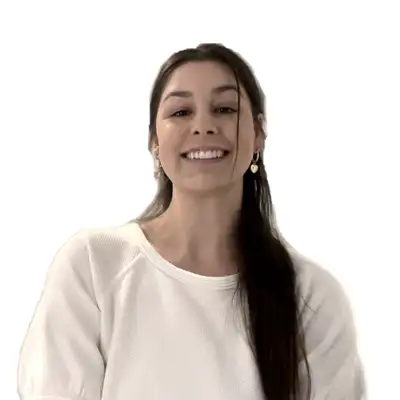
Investor Spotlight: Mollye Santulli, Springdale Ventures
Mollye Santulli
We like to build relationships early. It's not always possible because, you know, sometimes something comes out of nowhere and we're trying to get to know the founders as quickly as possible. But we really do believe that trust and like partnership are the most important things with a lot of our investments. And are we going to be the people that they want to call when things are going really well, but also when things aren't going well, you know, do we text, do we talk on the phone, do we like to see each other for dinner when we're in the same place? Those are all really important for us because usually it's, you know, five, 10 years together being investors and so building that trust right from the beginning to make sure that we can be good partners.
00:45
Hannah Dittman
Hey everyone. I'm Hannah Ditman, operations and finance host of the Startup CPG podcast. And today I'm joined by Mollye Santulli of Springdale Ventures.
00:54
Hannah Dittman
Mollye brings deep operating experience and big CPG passion to the consumer investing space. With prior roles at General Mills and Simple Mills at Springdale, she partners with emerging brands across various consumer verticals, with an emphasis on founder led brands with loyal customer bases building products that improve the daily lives of those customers. In this episode, we dive into Springdale's key diligence pillars, traits Molly consistently sees in standout founders and the patterns behind companies that successfully break through. We also talk about how founders can clearly communicate a path to meaningful scale and exit potential to investors, how brand growth evolves during the investment journey, and practical advice for operators preparing to raise capital. If you're thinking about fundraising, refining your growth story, or want to better understand how investors evaluate long term brand potential, this episode is full of actionable insight. Enjoy.
01:50
Mollye Santulli
Hey.
01:51
Hannah Dittman
Hey everybody. Welcome back to the Startup CPG podcast. This is Hannah and today I'm thrilled to be here with Mollye Santulli of Springdale Ventures. Mollye, welcome to the show.
02:00
Mollye Santulli
Thanks Hannah. Excited to be here.
02:02
Hannah Dittman
We're really excited that you're here as well. I'd love to kick off the conversation getting your background, your path to Springdale and what you're doing there today. Title and role.
02:10
Mollye Santulli
Yes, of course. Happy to give the background. As most people know about me, all I do is think about cpg. So this podcast was really exciting. I started my career and passion for the consumer world with a very brief internship at rxbar in college and fell in love with snacks, fast moving brands, startups, and after working for rxbar, worked for General Mills. Really? To learn more about the industry and learn more about finance so did a rotational program at General Mills, continued to love CPG and especially the food world.
02:43
Mollye Santulli
And after General Mills went and worked at Simple Mills and as most of you know who listen to this podcast, unrelated Mills, but both in the food world and worked in finance there and spent a lot of time on innovation, which was a ton of fun and a really exciting brand to be a part of. And when I went to business school was thinking through what do I want to do next? Do I want to stay on the brand side? Do I want to go more to the finance side? And met the Springdale team through one of my classmates and really enjoyed what I was doing. Saw the portfolio and was like this is a fund I really need to be a part of.
03:16
Mollye Santulli
And interned for a full two years during business school and then joined full time when I graduated in 2024 and have been with the Springdale team ever since. And now I'm a principal on our we can call it our investment team, but our team is quite small. It's just myself and Genevieve and Dan, the two founding partners. So I lead our investment team of me, myself, Genevieve and Dan. So but it's been laughs since joining the team in 2022.
03:41
Hannah Dittman
Wow. Awesome background and I would love to jump into a firm overview of Springdale as well and kind of get some context there for your criteria stick stage check size, differentiation, AUM and all the kind of color that we might need for the rest of the conversation.
03:55
Mollye Santulli
Yeah, of course. So we say we're an early stage venture firm in the consumer world. So we invest in food, beverage, beauty, pet, personal care, supplements, really anything branded products. And we describe it as things that make life better, things you can bring into your home to improve your life, whether that's any of those categories. And really just brands creating best products in our category. And so when we say early stage, typically investing in brands doing 1 to 15 million in revenue. So for the most part, seed series A rounds. So we're coming in early, but usually there is product market fit when we come in.
04:29
Mollye Santulli
So a typical profile of a brand is Maybe they've launched D2C, they're doing really well, they have a year or so of revenue on D2C and they're getting ready to expand into maybe one region of whole Foods or they're launching in Target nationwide and they're raising some money. And so usually there's some sort of traction that we're able to anchor on whether it's a couple of retailers or Amazon or D2C and then we can really help fuel the growth. But it is still early. So founder and vision and team are really what we anchor on and what we think about. But one thing that's really important about us and how we underwrite and support our brands is really about our team and us all being a team of operators. Genevieve and Dan are both former founders and operators themselves.
05:12
Mollye Santulli
And so the way we try to support brands and get involved, whether it's on the board or just as investors, really comes from a place of we've been there and done that. Whether it's Genevieve and Dan, myself at the two brands I worked for and our network of venture partners as well, who are all former operators that we bring in to help support our brands.
05:29
Hannah Dittman
Yeah. What a huge, deep operating network you all have. And I feel like that probably helps quite a lot in the stage that you're focused on as well, because a lot of those earlier seed stage brands like you're mentioning are kind of at an inflection point where maybe they're doing something big for the first time and might need a lot of strategic oversight and help to navigate that without any of the big mistakes that can come along the way that I'm sure you've seen or learned from.
05:57
Mollye Santulli
Yeah. We like to say, how can we remove barriers and prevent the pitfalls that we've seen in the past through the 50 brands that we've invested in at Springdale or through what Genevieve and Dan have done as founders themselves?
06:08
Hannah Dittman
Yeah, tons of learnings. I think that's one of the biggest benefits of an investment firm that they can provide, is that they just see so much more. You know, as a founder, you're seeing your one brand. Maybe you've had another brand before, but you're really in the tunnel of your own experience of what you're doing. Whereas investors are kind of swiveling across so many different opportunities, whether they are investing in them or not or prior experiences, and have just so much broader pattern recognition. Sometimes that can be really helpful color to shed on situations. Speaking of some broader thinking, I'd love to dive into a little bit of thought leadership on market dynamics and trends going on right now. Could you maybe give a little bit of an explanation of how trends affect your sector focus?
06:54
Hannah Dittman
Obviously, you guys are focused on things that make life better, bringing into your home and adding wellness to your life. How do you think about trends in each of the sectors that you're thinking about?
07:05
Mollye Santulli
Yeah, and, you know, trends are obviously a big part of our world. And I'm on TikTok and Instagram and all of the things, thinking about trends all the time. But we really try to anchor on what's a big category despite the trend, and what are things people buy every week, or if it's a beauty product, you know, people buy on a regular basis. And we try to separate out a great business, a really big trend, because we know that trends can be fleeting. Not all trends are fleeting. I mean, I think protein is a great example of something that hasn't gone away yet. I mean, who knows if we need protein in every single product, but it's still something we're excited about. And we truly believe that those consumers now understand that protein is a really important part of your diet.
07:43
Mollye Santulli
That's one that we're like, well, it might be here to stay, more so than some other trends that we've seen over the years, but when we think about trends versus a great business, you know, when we do our diligence process, we're looking at, you know, the financial profile, the unit economics, what does it cost to acquire a customer, you know, does this brand make sense in retail and where would it sit on shelf? Is there a path to scaling this product from a manufacturing perspective? And that's a very different conversation than like, oh, is this like the next, like hot thing or next hot flavor? And so when we think about trends, we try to separate out those two things, and the trend might be a bonus, but really the underlying business fundamentals are what we're focused on.
08:22
Mollye Santulli
And is the person behind the brand going to be able to pivot if the fad or the trend that they started building the brand on isn't one of these things that's here to stay?
08:30
Hannah Dittman
Yeah, that's really helpful perspective. Are there any current consumer categories or tailwinds that are of particular interest for you all right now?
08:39
Mollye Santulli
Yeah, definitely. Well, we have. I don't know when this is going to air, but with Expo west coming up, I'm excited to come up with some new fads and trends and see how they play out on the show floor. But I think protein, like I said, is a place where we continue to be excited. We have a couple of investments that touch on the protein trend, but also, you know, brands that stand alone from that. So cloud protein Popcorn is in our portfolio as well as Goodalls Mac and cheese, both of which have protein as a big part of the brand and the differentiator there. I think, you know, the glp, one thing, like, I'm going to say what every investor's probably saying these days, GLP1s are changing the way we eat and what we consume, whether that's protein or fiber.
09:15
Mollye Santulli
We'll see if this fiber thing is here to stay. I know that's another. Another area that investors have been chatting about is do we need extra fiber snacks or can we get fiber from our diet? And then I'm talking mostly about food. But the other area that we've spent some time recently that we always that we thought is really interesting from an innovation perspective is Frozen. And that's nothing new, but we just made an investment in Magnolia Table with Chip and Joanna Gaines for really excited about in the Frozen category. But we're seeing a lot of exciting brands building in Frozen that we're continuing to follow and excited to see a lot of them come to life at Expo next week.
09:49
Hannah Dittman
Yeah, that's super helpful. Color on some of the companies that you listed out as portfolio companies. What was the kind of journey or path getting involved with them? But would love to get an understanding of how you've partnered alongside them so far and when you guys felt like it was the right time to get involved and what made that conviction so compelling that it made sense for you?
10:09
Mollye Santulli
Yeah, sure. I'll talk about one that I'm pretty close to on the diligence side and how we came to do the investment, which is Oddball, which is a kids jelly snacking brand, which just launched in Target Nationwide, which we're really excited about. But Sophia and I met a number of years ago when she was just first starting to think about the brand and starting to ideate and think about how could she make this brand come to life. And we kept in touch over a couple of years, honestly. And we would see each other at Expo and when I was in New York, I would see her and she kept us up to date on the brand. And then when the timing was right, you know, we'd already done a lot of this, like founder diligence just by getting to know her over the years.
10:44
Mollye Santulli
And so once she had hit a number of milestones that made us comfortable with investing, it was a lot easier for us to underwrite the deal and get excited about partnering with her just because we already knew her really well. And so with a lot of our brands, we like to build relationships early. It's not always possible because, you know, sometimes something comes out of nowhere and we're trying to get to know the founders as quickly as possible. But we really do believe that trust and, like, partnership are the most important things with a lot of our investments. And are we Going to be the people that they want to call when things are going really well, but also when things aren't going well.
11:14
Mollye Santulli
You know, do we text, do we talk on the phone, do we like to see each other for dinner when we're in the same place? Those are all really important for us because usually it's, you know, five, 10 years together being investors. And so kind of what the process looks like in general is like, how can we get to know each other as quickly as possible or sometimes slower, like with us and Sophia with Oddball, and then building that trust right from the beginning to make sure that we can be good partners.
11:37
Hannah Dittman
You know, you're talking about milestones with Oddball and relationship building along the road towards those milestones, which is awesome. What are some of the milestones that you guys really anchor on that you need to see as investors to get ready to be able to invest?
11:53
Mollye Santulli
Yeah, so typically, like I said, 1 to 15 million in revenue, I would say, like, 1 to 5 million is really our sweet spot for where we come in. So we do like to see some historical data, whether that's repeat data online, whether it's Amazon sales or whether it's velocity data, even if it's like piecemealed across a couple of different retailers. Like, anything we can anchor on from are people buying this product and are they coming back to buy it again is really what we're excited about. Retailer pos are always helpful. We've made some investments where, you know, the brand might be launching in a major retailer. And so knowing that's happening, you know, any data we can get there is always great.
12:29
Mollye Santulli
And then any consumer data, like, we've had a number of founders that we've invested in and also that we've just gotten to know that have done some really interesting, you know, I've interviewed people on the street or I've taken, you know, I've done online testing and tested ads of people. Like, how can you prove that people are going to buy this product, that people are excited about it that aren't just you as a founder, so, which I think as a founder, I'm not a founder, but I know I would be. Like, everyone wants this. It's my idea. Like, how can you broaden that to include some survey data or people that you talk to in a store at a farmer's market to show that there's really broad appeal?
13:03
Mollye Santulli
So those are the main things we're thinking about and then really thinking through scale and like, is this something that can scale commercially? Is the other big thing that makes.
13:12
Hannah Dittman
A lot of sense. Yeah. So you're kind of just focused predominantly first, at least a size that proves out that some semblance of consumer demand is there. I assume that's kind of where the revenue target is coming from and that there's some staying power with the brand, consumer affinity through repeat rates. Like you're saying to prove that it's not just a one time buy that gets you to that revenue, that it's an actual following customer base that gets you to that revenue. And then maybe some potential future scaling opportunities with a, like a retail PO or entering into different channels to prove that success will continue to go on, but not just continue also grow throughout the time of your investment. So that all makes a ton of sense. Are there any other pillars, obviously you mentioned founder fit earlier.
13:59
Hannah Dittman
Any other pillars in your diligence process that you think founders should be aware of and thinking about as they're kind of evaluating their potential future fundraising opportunities?
14:08
Mollye Santulli
Yeah, definitely. I mean as most investors, I could go on and on about this but. But I think one that's a little less exciting, but something that we spend honestly probably the most, a lot of the time on and is really important when talking to people like Springdale is how big do you believe your brand can get and who is a comp and who do you think will buy it? And obviously like you never know what's going to happen with any of these things, but we spend a lot of time thinking through the revenue is here. This could be our potential ownership. And then we believe that this brand could get to 100, 250, 500 million in revenue. Like what is that number that we can somewhat believe and then what do we believe an exit could look like?
14:51
Mollye Santulli
Whether that's an exit to private equity, is it an exit to a strategic and what does that path look like? Because we are venture capitalists and we do have to return capital to our LPs and so that's how we're really thinking about the investment. Besides just a great idea and a great founder, is it will this make the venture style returns that we need to underwrite for our limited partners? And so when we meet founders, I'm often asking some of those questions to try to get a sense of what do you believe this brand could get to? And like obviously there's no right answer, but we need to believe in a venture style outcome for our underwriting process to make sense.
15:24
Hannah Dittman
Yeah, that makes a ton of sense and really well put in an easy way to understand of why you're caring so much about some of these things. And the practical reality of how an investment fund works, I think makes a lot of sense. Reflecting back on your career or your experiences on the investing side. If you could tell founders or operators a couple of pieces of advice, not just in fundraising, but maybe more broadly as well, what would they be and why?
15:52
Mollye Santulli
Yeah, and, you know, I'm so excited about next week because I get to see so many of my friends in consumer, but most people don't work in CPG if they're not, like, obsessed with it. And so I think most investors, founders, ecosystem partners who spend time in this space really are passionate about it. And so when doing intro meetings and calls, like, I always try to come with a lot of energy because I know that whichever founder I'm meeting with is hopefully coming with the same amount of energy because they're building something they're really passionate about. And so if you're not super passionate about it, like, I think finding that caution is really important.
16:24
Mollye Santulli
And I feel very lucky to work in an industry where most of the people that I get to speak with and surround myself with love CPG and spend their time going to grocery stores for fun and going to Sephora and Ulta for fun. And so my biggest advice is when it stops being really fun and interesting and exciting, like, that's probably when something's wrong. I know a lot of founders that really do love what they're building, and so seeing that energy is probably the best part of my job. And then the second piece of advice is always prepare for the meeting in advance and look at our website. It's always really awkward when, like, I can tell if someone hasn't even looked at our website and, like, you know nothing about our portfolio. Obviously, a lot of venture firms kind of blend together.
17:01
Mollye Santulli
We're all doing pretty similar stuff. But it's always really nice to join a meeting. You know, I've usually reviewed your deck. Like, we always love to know that the founder has done some diligence on us and is excited about whatever brands we're invested in or Genevieve or Dan's background and how they partner with founders.
17:16
Hannah Dittman
Those are really great pieces of advice and super tangible and helpful. Are there any patterns or similarities that you've noticed in the successful companies you've worked with? Are there any kind of common threads that you can pull together that might be helpful for people to learn some of your pattern recognition from?
17:34
Mollye Santulli
Yeah, we talk about this a lot as a team, and we're always like, is there a way to like document this. And I don't know if there really is, but I think one of the things that has definitely come through and I think you can hire for it, but I also think it makes our process a lot easier as founders that really understand their financials and their numbers. Like, it just adds so much value to our conversations without having to go, you know, either us dig through the financials, which we're always going to do anyway, but or asking the CFO or a fractional finance team member that you have. Like the founders that really understand their marketing spend, their cost to acquire a customer, what their product margins look like, how much they can improve over time.
18:15
Mollye Santulli
Like, those founders, a lot of times end up being really successful and they don't have to be a CFO expert on everything, you know, accounting related. But the founders that really understand the drivers of their business and the unit economics are ones that we get really excited about backing.
18:29
Hannah Dittman
That's obviously kind of speaking to a couple of different founder traits that might be driving that behavior. If you had to kind of put your finger on some of the founder traits that get you most excited on the behavior side, outside of just knowing your numbers and being able to speak competently to them, what are some other things that you think founders that are successful really demonstrate or that you've really enjoyed working with?
18:52
Mollye Santulli
I think ability to hire. So I don't know exactly what trade it is, but they have to be inspirational enough to hire a team. And so we see a lot of founders that are building really amazing teams early on and that's always really exciting to us. So like, if people want to work for them and can be compelled by their early stage idea to leave their maybe stable job to go work for this founder who just has, you know, something super early, like that's always really exciting to us, can they hire. And then the other one is, you know, receptive to feedback. And like, we sometimes give feedback just to see how someone respond to feedback. Like, we're not always expecting everyone to take our feedback.
19:28
Mollye Santulli
Obviously, if you took every investor's feedback, like, you would never get anywhere as a founder because we all have endless amounts of feedback that's sometimes helpful and sometimes not, but it's always good to see just like, how does someone respond to feedback? Do they want, like I said at the beginning, like, we're in it for a long time with you and so are we going to have a good working relationship? So I think the founders are excited to partner with us and that we get along with are always. That's one trait that we usually get excited about because it should be a partnership and should be fun.
19:54
Hannah Dittman
Yeah, definitely. And, you know, you're mentioning you're holding periods in about five to 10 years. That makes a ton of sense. And you're kind of alluding to this partnership. What makes a good partner, you know, what really makes that dynamic feel right? And how should a founder be thinking about what an investor is going to bring into their life and their business for the next five to 10 years?
20:15
Mollye Santulli
Yeah, I think you can build your investor group in a lot of different ways, and we've seen a lot of different approaches. You know, we like to say that the value we add comes from the fact that all we do is invest in cpg. Genevieve and Dan are both founders. Our pull network is CPG operators. And so we like to add value in a couple of ways. One is thinking through cash, which is not super exciting, but we spend a lot of time there, you know, helping founders prepare for the next round of financing, thinking through debt options. Options and really making sure they have the capital to scale their business. So I think a partner that can help you with that is always a good thing because it means you're not going to run out of money.
20:50
Mollye Santulli
And then the other thing is just like, the availability and, like, is this someone you want to call when things are going badly, like I said? And so, you know, we try to make sure that we have that kind of relationship with our founders, you know, keeping it formal when it needs to be on a board or in legal issues, but also keeping it informal in a sense of, hey, congratulations. You know, I just saw your product launch in Target and I took a bunch of pictures for you and rearranged the shelf. Like, we're. I'm always trying to, like, make sure that I'm doing those things to show that we care and that we're looking out for the brand.
21:19
Mollye Santulli
And so I think asking, like, my advice for founders would be, like, ask the investors examples of what they've done in the past, whether that's, you know, making intros to later stage funds or is it helping with financials or connections to other founders. We spend a lot of time making sure our founders get to meet each other for best practices and learnings on how to launch in certain retailers or who the best Amazon agency is. So we do a lot of mutual intros, and then our founders can learn from each other, which I think is probably the biggest value add that we have.
21:49
Hannah Dittman
Yeah, that's super helpful and a great Huge value add to kind of have a phone, a friend when you need it that knows what they're talking about.
21:56
Mollye Santulli
And just to.
21:57
Hannah Dittman
I think there's something also to be said about the same way that a co founder kind of provides a level of emotional or confidence, support in a way to make you feel like there's a team involved in what you're doing and there's a partnership, everyone's excited about the idea and you're building alongside other people. I think there's a little bit of that component with a really good investment partner as well, who makes you feel like you've got some people in the stands and it's an exciting journey when things get hard.
22:26
Mollye Santulli
Yes, definitely. Yeah. We should be cheerleaders and not the people you go to when only when things have gone. Gone wrong.
22:33
Hannah Dittman
Yeah, hopefully not too many of those things. I mean, they always happen, but hopefully.
22:37
Mollye Santulli
Far and few between. Yes, hopefully more good than bad.
22:40
Hannah Dittman
Yeah, yeah. Ideally, you know, I'd love to kind of understand a little bit more of the evolution of a brand during an investor's and your time with it. So coming in, they're nascent maybe a little bit, have some traction around a million of revenue. I'd love to kind of understand what the team and the company profile might look like at the beginning of your investment and then fast forward towards the end of your investment, what a company profile might look like. So our audience can kind of understand the beginning and ending journey of what that investment relationship looks like.
23:14
Mollye Santulli
Yeah, sure, that's a great question. So typically when we come in, the team is usually pretty small, sometimes as small as like the founder and some fractional people, and sometimes as large as like maybe 10 people. It just kind of depends. But really it's thinking about the founder leading the brand, doing a lot all at once. So the founder is usually wearing many hats and hasn't outsourced a ton of the work. And so they're really the point person on ops finance brand selling all of the things when we come in. And then typically during our investment period, they start to hire out a lot of those roles and hire people to do the things that they were doing all of at the beginning.
23:51
Mollye Santulli
And so, you know, hiring salespeople and maybe a fractional finance group and an ops team to make sure the product can get made. And then, you know, as the brand scales, usually it's a lot of depending on the category and the channel Strategy, it's expanding D2C and subscription and the Amazon business, or if it's a Retail focused brand, you know, going from maybe some smaller regional retailers to Whole Foods Nationwide or Sprouts or Target and Walmart and then you know, progressing up in like maybe a Costco region. And so what we spend a lot of time on during that scaling period is cash. Like I mentioned, making sure that there's enough money to fund all of that inventory is the hardest thing in consumer and then making sure that the right people are on the team.
24:35
Mollye Santulli
And so we spend a lot of time both on cash and hiring and supporting there and then making sure that if there does need to be more cash in the business, how can we make sure that comes in and comes in quickly and doesn't take away the founders time too much from running the business day to day. And so at the end of the time that we invest, hopefully the brand is gigantic and everyone's talking about it.
24:57
Hannah Dittman
I'm rooting for you guys.
24:58
Mollye Santulli
Yeah, hopefully they're a huge brand and they're getting ready to sell is usually the goal. So a much larger team usually. But I don't know, you see a lot of brands these days that are D2C focused that don't have huge teams. So we'll see what AI does for our hiring strategies at a lot of brands.
25:15
Hannah Dittman
So yeah, it's definitely interesting times on the human capital front. You know, when you say a huge brand and this is going to be an ambiguous question that really varies so deeply by company and category. But in general, you know, at what revenue scale are brands typically ready to get to an exit? Roughly. And that's going to be a wide range, like I said, depending on category. But any color you can shed.
25:39
Mollye Santulli
Yeah, depends on category. Definitely a better question for all the bankers who like spend all their time thinking about this. We're usually thinking about brands getting to 100 million in revenue these days is like my initial question always is like, do I believe this brand could get to 100 million? And then once we know the category and we're thinking more deeply, is it okay? Well if they're in this many target doors and they're in this many Walmarts or this many Costcos, and this is the velocity, what does the math look like? And it's pretty rough math or how big is the category? Like energy drinks are a great example. Like it's a gigantic category. And so believing a brand could get to you know, 500 million, isn't that crazy in energy drinks? But it might be crazy in like some obscure niche category.
26:23
Mollye Santulli
So we spend a lot of time thinking about I'd say like over a hundred million is our like general consensus right now. But that being said, there's always brands that sell for like 52, so you never know.
26:34
Hannah Dittman
That's really helpful. You know, I'm thinking there's so many founders out there with interesting businesses and novel ideas, but they're kind of in what I would call maybe like unproven categories. I think if you reround the clock back to the early days of something like a C ate, you might think about it that way too. Where, you know, I could imagine back in the earliest days for them, it might have been harder for investors to wrap their head around how like a grain free tortilla could get to 100 million or the kind of scale that you're thinking of. And I, I think of a lot of brands in our ecosystem that might be kind of facing the battle of this question and trying to figure out how to communicate this or prove it out.
27:13
Hannah Dittman
Do you have any advice for founders working on something that maybe isn't in a clear cut category, like pet food, where you know the scale just by default because they're in that category, the scale could be there how they can think about communicating the size of prize and opportunity that they see to investors?
27:32
Mollye Santulli
Yeah, that's a great question. And the easier you can make it for investors, the better because it's a lot of work. And so it's always really helpful when a founder has a perspective on that. I mean, to be honest, it's hard for us if it's a completely new category. And so the biggest question we're going to ask if it's a brand that is going to be a retail brand, like food and beverage, like, is there somewhere for this in the store? And have you talked to buyers about where your product would sit? And if the answer is buyers are really confused, like, that's usually really hard for us to get excited about. So we would probably want to see like, oh, well, we tested in, you know, this beverage set, even though we're this completely new thing that's never been done before.
28:10
Mollye Santulli
Like it's working really well in this set. That's pretty important for us. And so if it really is something completely new, like how can you triangulate between functional beverage, coffee and soda and say like, well, it'll be somewhere in this range, but it's something different. But that is something that's really hard for us. And so to that point, like it's not a never say never that we'll never do something that's Category creation. But the easier the founder can make it and the more info they have from a retailer, the better. And obviously with D2C and Amazon, you can test a lot of that out. If there is no like shelter accept for it. But it's a pretty important question to us. So I don't have a great answer, but it's really important to us.
28:48
Hannah Dittman
Yeah, no, I think that's helpful. I think even just understanding the way you're thinking about it, we're like, hey, this is a critical part of diligence. Like we as a team need to be able to go into our IC investment committee and be able to say we have really strong conviction that this can get to 50 million or $100 million in revenue. And I think just founders understanding that's a part of the fundraising process that they're going to have to answer that type of question I think is really helpful. I think your point on retailer buyer feedback as kind of some objective third party conviction getting makes a lot of sense. I think the only other thing I would add to it is I feel like investors oftentimes think with pattern recognition and case studies.
29:29
Hannah Dittman
So I think trying to pull tangential comps essentially to kind of shed light on the story of the journey of your brand through successful other variations that might have had a similar road or a similar obstacle you're facing, or as many similarities as possible to help other people wrap their head around it can also be really helpful and compelling sometimes.
29:53
Mollye Santulli
Yeah, definitely. That's something we're always thinking about and it's always great when the founder puts it out there for us or saying, you know, like, I think Poppy and Olipop are another great example to your CFD point of like a new soda set, like, who would have thought that would be created? And so can you say, like, oh, we're going to do some similar tactics in our new category that another brand has done in the past to make it impossible for a retailer not to take our product. Yeah.
30:18
Hannah Dittman
And to your other point about market trends, I think this is also where pulling in market trends can be helpful too. Like obviously we're talking about fiber, protein, things like that. But explaining how maybe if you're playing in a market trender, that's a piece of your pie. And it isn't always. Sometimes, you know, people are focused a little bit less so on a trend and more so just on a different aspect of business. But if there is some market tailwinds that you can pull in there to help explain why there's A wave coming and you're on that wave. I think that can also be really compelling to investors sometimes as well. Like, I don't know, making some fiber chip or something else that maybe doesn't exist.
30:55
Hannah Dittman
So clearly being able to explain how important fiber is and then providing the parallel of what's happened in protein and showcasing that maybe there might be a similar outcome for your product within the fiber movement, those type of things. Thinking about it that way, I think can be really helpful for investors.
31:13
Mollye Santulli
Definitely. Totally agree.
31:15
Hannah Dittman
Well, I'd love to take some time to pivot into a Slack case study question. As you know, startup CPG has the largest Slack community in the industry with now over 35,000 members. I'd love to pull a question directly from our channel and have you answer it as a case study for any founders with a similar question. Today's question is how long do I need to show traction in quotes for an investor to be interested?
31:39
Mollye Santulli
So totally depends on the investor. But I think, you know, like I said, like, there's a lot of ways to slice and dice data, but what we get really excited about is how can you prove product market fit and whether that's repeat data, subscription data from Amazon or your D2C site. We say a million trailing, which is like trailing 12 months usually. So like we usually like to see a year of data at Springdale. That being said, there's always exceptions to these things and some brands can take off, especially Diva C. We've seen a number of brands, you know, that can go from zero to whatever very quickly. And so there's no like perfect answer. And it really depends on the fund. But I would encourage founders to always ask investors, like, exactly what are your metrics?
32:22
Mollye Santulli
And investors should be able to tell you exactly what they're looking for and you know, what their underwriting process looks like and what are some of those minimum thresholds. But we usually say 12 months of data is what we're typically looking for. And so 12 months of data plus proving consumer love.
32:35
Hannah Dittman
That's super helpful and totally echoing your point. Every investor is different and kind of to your earlier point about getting excited if people have done their diligence on you all and read your website ahead of a conversation with you, I think this is where that might come into play. You know, if someone only has like one month of data and it's not the revenue target you're looking for or anything like that, you know, it's always helpful, I think, to come in knowing exactly what you're looking for. Hopefully Everyone listening to this podcast also is getting some additional color for if they're a good fit for you all.
33:05
Mollye Santulli
Yes, and the other thing I'll say is we love to build relationships. We also really want to be respectful of founders time as they're fundraising. And so a lot of times we'll get decks or emails from founders that are too early for us. But sometimes if it's really interesting, we'll have someone on our team do a call. But we always like to say in those emails, you know, hey, it's probably too early, but would love to build a relationship but want to be respectful of your time. So if you're heads down fundraising and you're way too early for us, like we usually try to be transparent about it, but I think, you know, making sure that there's a balance of like relationship building and investors wanting to know everyone and everything really early, which I do like.
33:43
Mollye Santulli
I love meeting people early, but I also understand that if you want to say, hey, realize I'm too early, like we should just keep in touch over email. Like I think being transparent about that for both of us is always helpful and something that I'm saying now because I like to try to hold myself to that as well.
33:57
Hannah Dittman
I love that. I think that's great perspective. It's oftentimes a lot of mixed information. A lot of firms operate differently. A lot of investors operate definitely for founders and I think it can be overwhelming. Like you hear a lot of conversation like it's lines, not dots and things like that where they think, oh well, I need to build a relationship, but how do I go about doing that? Are they open to that? That should I just wait till I'm ready? Like there's a lot of so many different strategic conversations and questions going on in founders minds to plan their processes accordingly. And so I think the best is to just understand each individual person where they're coming from and knowing where you can maybe work something out with them from a relationship or a long term view standpoint.
34:40
Hannah Dittman
And getting ahead of fundraising and thinking about that way ahead of time might be a helpful way to do that also so you can plan accordingly with the different investors that you're interested in. Mollye, you've been such a wealth of knowledge and have had so many great insights and clearly can talk very eloquently about any different topic here. For founders that might want to get in touch with you and start building that relationship, what's the best way to reach you? Second part of my question is do you have any advice for Anyone interested in joining either Springdale Ventures or investing in general?
35:11
Mollye Santulli
Yeah. So on our website we have a form to fill out that goes straight into our CRM for deals. So you will always hear back from us if you fill out that form. There's also an email there. You don't have to send an email. You should always just fill out the form. You'll get a response either way. But the form is the easiest for us and we love hearing from founders cold. We always respond and make sure to take a look. So it is not like a lost box of a deal intake. It is a big source of our deal flow. And then advice if you want to join the investing side. Personally, I think working at a brand is really fun.
35:39
Mollye Santulli
I had a wonderful time working at Simple Mills and so if you're someone that loves operating, I think doing that is always great. And then on the investing side, similar to getting funding from investors, it's all relationships and so trying to meet people, whether it's at in person events and just hearing about the fund and what their strategy is. A lot of teams are really small and so building those relationships is really important. Just to know what's out there on the investor side and always happy to chat. At Springdale, we always have MBA interns, so if you're in business school, feel free to reach out. We're always hiring interns to help us with our deal work. So really excited to always meet new founders and people in the CPG space.
36:17
Mollye Santulli
Like I said, most people in this world are really passionate about it, so it's usually a fun conversation.
36:22
Hannah Dittman
Awesome. Well, thank you so much for your time today, Mollye. You've been such a wealth of knowledge, an awesome person to chat with, and your passion for the space and for founders and for investing and for being a great partner comes through so clearly in the way you speak about things. So thank you again. It was a pleasure to speak with you today and get to learn a little bit more about what Springdale is doing.
36:44
Mollye Santulli
Thanks, Hannah.
36:46
Hannah Dittman
Well, friends, we've now arrived together at the end of another episode of the Startup CPG podcast, the top globally ranked podcast in cpg. And if you love this podcast, you'll love our Slack community even more. Here at Startup CPG, we're a community of brands and experts and you should join. Sign up at startupcpg.com. You'll then get an invite to our online Slack community of over 35,000 All Star CPG members, hear about amazing events near you and all our special opportunities to get you in front of buyers, investors, brands and more. It's a free community. So what are you waiting for? I'll catch you on the next episode and I'll see you on the slack.
Creators and Guests