R&D RADIO: Monte Ammons from Liquid Sherpas
Monte Ammons
When you're building a recipe or you're building a product, it has to be built where it can be replicated at scale, right? It doesn't do you any good if you have a recipe that one chef can make one time. It has to be able to translate across an entire restaurant chain and be done time and time again. And if you can't replicate that product at scale, it's going to fail.
00:37
Adam Yee
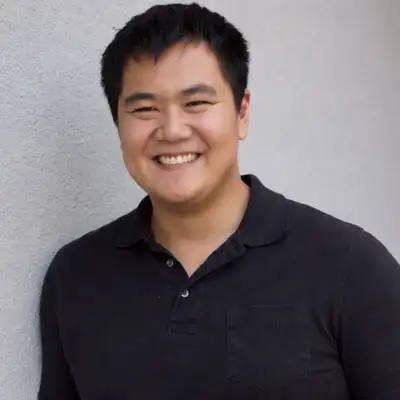
Hey, everyone, this is Adam Yee, food scientist and podcast host of Startup CPGs R&D RADIO, where you interview food scientists and product developers and what they do and how they can help you build your CPG business. Today I'm interviewing Monte Ammons, founder of Liquid Sherpas. Monte's mission is empowering beverage innovators and leaders to achieve their vision and goals. With more than 30 years in the beverage industry, Monte has built a mix of skills and experience that help beverage companies thrive and scale. He owns, partners in, and supports a number of ventures focused on helping founders of food and beverage brands succeed. He specializes in sales, marketing, product development, commercialization, and operations, covering everything from concept to category dominance. He also mentors and advises startups and entrepreneurs through various programs, sharing what he learned to help them grow faster and smarter.
01:31
Adam Yee
I found three key pieces of advice from Monte that I really resonated with in this episode. One, start with a product brief, not a formulation. Two, do the business homework before spending money on a product. And three, you can use AI as a research assistant, but perhaps not as a formulator. We'll dive into all that this episode. Enjoy this episode with Monte. I know you'll learn a lot. Hey, everyone, this is Adam Yee. I'm the host of startup CPGs R&D RADIO, and today I'm here with Monte Ammons from Liquid Sherpas. Monte, we got introduced through a mutual friend. And how do you know Emily?
02:09
Monte Ammons
Yes. So when she was running the SKU incubator program and they came to Atlanta, where I live, they were building that out, and I got involved in the SKU incubator and just fell in love with Emily. She's a great person, very personable, very passionate about helping founders in the CPG space. And I'm the same way. So we just hit it off and we've been friends ever since. And fast forward a couple of years and we've actually got a number of different ventures that we're working on together.
02:42
Adam Yee
Awesome. Well, let's get a little bit more into you, Monte. So join the audience. Who are you? And how did you just start in product development?
02:49
Monte Ammons
Very non traditional. I'm a bit of a mutt. I started in marketing and about 35 years ago, heavy in food service and CPG, way before I had all of this turned to white and all of this got a lot lighter. And I moved from marketing to consulting to ultimately natural ingredient sales, which is kind of a weird trajectory. But along the way, what at each thought, I learned something about product development and fell deeper and deeper in love with it. When I started in food service, one of the things that I learned is that when you're building a recipe or you're building a product, it has to be built where it can be replicated at scale, right? It doesn't do you any good if you have a recipe that one chef can make one time.
03:38
Monte Ammons
It has to be able to translate across an entire restaurant chain and be done time and time again. And if you can't replicate that product at scale, it's going to fail. So that was an important aha for me of just how important having more of the blocking and tackling of that and thinking through the operational aspects of a product was and to do that before you even launch because it's hard to fix it on the fly. And then I went to Coca Cola and I had the good fortune when I was at Coke, of working with Sonic Dry bands. And with Sonic, one of my jobs was to help them take Coke beverages and create new proprietary beverages. So I worked a lot with their Cherry Limeades. We'd tinker with that, we'd add different syrups, different flavors, different purees.
04:29
Monte Ammons
And so there I really learned how to take consumer insights and trends and marry that up and get a concept very quickly, turn that concept into a prototype and then rapidly test it so you work all the bugs out before you actually put it in the market. A couple stops later, I became head of marketing at Community Coffee, which is a regional coffee company down in Louisiana. And were Omnichannel. But there, what I really learned in new product development, because were working with natural products, and natural products are a whole different animal because it's so reliant on this supply chain where you've got availability issues, some things are only available certain times, certain places, and then you've got, like we're experiencing now, tariffs, and you've got transit issues and you've got sensory changes in the product and et cetera, et cetera.
05:26
Monte Ammons
And so I really learned and fell in love with the complexity of working with natural products and that took me to my next role of ingredient sales with Dohler, who's a German owned global manufacturer of natural ingredients. And in the ingredient sales, particularly natural ingredient sales world, what you're doing is you're working with a client and you're helping that brand owner come up with the concept and get it through commercialization and into the market as fast as possible. Because between that time when you start helping them come up with a concept and the product is in the market, all you're doing is giving away R and D time. You're not making any money.
06:07
Monte Ammons
So the name of the game ingredient sales is get as quickly as you can from concept to hopefully a product that's scaling, growing and lives in the market a very long time. So I learned a lot of tricks of the trade of best practices, how you work with a formulator and a brand owner and do the translation and think simultaneously, think about the whole commercialization of supply chain and what's going to happen along the way. So I don't think I've mentioned, I can't remember if I mentioned or not, but I'm not a food scientist and not classically trained in product development. So this has been my journey of kind of learning by hard knocks in real world and piecing this together.
06:53
Monte Ammons
And at 30 something years later, this really weird career arc probably looks like a bowl of spaghetti kind of twisting back and forth on itself, has led me to a place where now it's all about process and helping my clients get from that concept to commercialization and taking all those speed bumps out of the way. I guess 10 minutes or less, that's my weird circuitous road to product development.
07:20
Adam Yee
Yeah, I think that's important. Process is a big part of it, especially experience is part of the process as well. Food scientists though, we have a degree and it teaches us some real basic fundamentals, at least from what I've learned. You just can't survive off a degree alone like making products. You need to have the experience. You seem to have a lot of experience. And what I really like about you, Monte, is that it seems like you learn a lot in your job. Like you go above and beyond, it sounds like to learn more about kind of the category you're in. I think a lot of people who go into this industry don't really understand the chaos that can happen with the natural flavor or ingredient supply chain, I guess.
07:57
Adam Yee
Do you have any pointers or like assurances or tactical tips about how to manage those kind of expectations of changes in flavors or changes, ingredients or Supply chain issues.
08:09
Monte Ammons
Yeah. One thing that I really advocate, a huge proponent of, and I see all the time that founders come in, they immediately want to start with the formulation process. And that creates challenges because typically if you go to a formulator and you're trying to articulate kind of what your vision is, it's hard for them to get their head wrapped around it because it's so subjective. Right, right. What do you mean by high intensity or I want a peach. Right?
08:37
Adam Yee
Yeah, there's several peaches.
08:39
Monte Ammons
Exactly. And what tends to happen, especially if you haven't done this multitude of times, you'll give direction and then have to go back and redo because you don't know the implications of that. Right. So what I advocate is doing what we call a technical product brief or a project brief. People call it different things, but what it basically is your blueprint for development, where before you even think about starting the development work, you sit down and you go, okay, what is everything that I need to know about this product? What does it need to do? What does it need to look like? And that helps you as you're saying, well, it has to have a coconut water from Indonesia. Okay, well, we may only be able to get that during this period of the year. And it's going to be very high in chloride.
09:32
Monte Ammons
So if you try and put it in aluminum bottle, you might have problems. So if you do that and you're working with somebody who's lived in the space, you eliminate a lot of those problems that you kind of catch on the back end. So if your listeners don't take anything else away from this, that would be my strongest recommendation, is get with somebody who knows the space. Spend some time putting together a product brief. And great thing about AI is you can make one. Right. And it will help prompt you in thinking through some of those things that become an issue whenever you get into it. Because if I go to a developer and I say that I want you to develop a beverage that has a organic fair trade turmeric, then they're going to do that because that's the direction. Right.
10:21
Monte Ammons
And they probably won't come back and question you and say, you realize that your expense on this is going to be astronomical and you're going to have to buy more than you're going to use in five years. So it's going to go bad. So if you do that due diligence on the front end, it prevents you from kind of, okay, I've got a formulation I fell in love with. Oh, holy crap. I can't get this product or I can't get this ingredient, or it's got sedimentation issues. Right. It won't stay in suspension or it's got an off taste that we can't cover without bringing in a masking agent that I didn't want to have. Right. So it's really important to think through all of that on the front end. It saves you so much time and energy and effort and money and frustration.
11:10
Adam Yee
So you're saying you should really solidify a product brief. It sounds like you should talk to experts as you use do the product brief. Right. Because a lot of people just don't understand, like you get sedimentation in some product or some liquids or your CMA might be weird, I guess. Is that something you'd recommend too? Is like, because you're not spending like essentially all the marbles on making a product, it's better to start with a product brief.
11:33
Monte Ammons
Absolutely. An example. I'll tell you a quick story. Cause I'm going through this right now. I've got a client who's new to the beverage industry and he came in and he's got a good idea, he's got a good concept, but he immediately wanted to go to development and said, but let's step back and let's understand, number one, what does this product need to do?
11:52
Adam Yee
Right?
11:53
Monte Ammons
What are you trying to accomplish with it? What kind of return do you need on it? Where is it going to go? What kind of consumer are you looking for? What's in it for you personally? What's your business outcome need to look like for this? Right. So start with the end in mind and that helps take you down a path of, well, I thought I wanted to have a ready to drink, but with what I have, it probably makes more sense to go into a powder. So it helps you think about before you kind of make these decisions, you can think about them and be a little more strategic about it because everything's interrelated, Right. Once you make a decision, it starts to cascade and have other implications. So we started there on what was important to him.
12:37
Monte Ammons
What are the business metrics that he's looking for? What does this thing need to accomplish? Why did he get in this in the first place? What's personally important? Because that founder's story and you have to have a passion around it. Right. It has to be the intersection point between what you're passionate about and what the market will accept and what you can produce.
12:55
Adam Yee
Right.
12:56
Monte Ammons
So it's important to kind of spend a little time diving into that. And then what a lot of founders overlook and skip is you need to know what the competitive landscape looks like.
13:06
Adam Yee
Right, Yes, I agree.
13:08
Monte Ammons
Because when we did this, the client that I'm discussing, we got into it when we saw there was a lot of competition and there were some challenges on where he initially wanted to go. And based on that, and based on looking at the consumer and what the consumer was looking for, we saw a white space that was a little to the right of where he thought it was. He changed his whole proposition by about 35 degrees. Right.
13:35
Adam Yee
What does that mean? If you were to like splay it out.
13:39
Monte Ammons
So he basically went from one consumer group and one functional benefit. He moved it slightly over so he wasn't going direct against a 300 pound gorilla and a saturated market.
13:55
Adam Yee
Okay, got it. He found a better niche for his product. Is that. Yeah, got it. Okay.
13:59
Monte Ammons
So that changed the ingredients, that changed the flavor profile, that changed the package form, that even changed the channels he was going into. So if we wouldn't have done this work, he would have gotten a product and then he would have had to start thinking about, where does this live? And that's too late in the game because now I produce something, the clock is running on this. Now I start to panic because I'm running out of shelf life and it's sitting in a warehouse and it's not moving. That's the last place you want to be, right?
14:30
Adam Yee
Yeah.
14:31
Monte Ammons
So that's why discipline is really important, because product development's hard enough. I mean, it's what, 90 something percent failure rate? Even for the multinationals, the failure rate is huge.
14:42
Adam Yee
Yeah, I love that advice. And actually with my own consultancy, I actually say no to a lot of people who want to start drinks because we help people really early stage and sometimes they just don't understand the complexity of drinks. And I've had a lot of friends who have drink businesses and I get a lot of complaints from those friends. Let's just say that it's so hard.
15:01
Monte Ammons
Yeah. My wife calls me the dream killer because I do that all the time.
15:04
Adam Yee
Oh, good. Okay. So it's natural to do that. So I think this is a good understanding because I am like challenged with such an entrepreneur who, like really wants to make a drink. I usually say the same as you did, like, can this be a powder? Can the same functional benefit and fit into your brand enough where it could be a powder, not essentially shipping water. Right. Or having a high moq or whatever. I'd love to have you maybe have like a Brief checklist of like, what does it take to actually make a drink product?
15:29
Monte Ammons
A degree of insanity probably.
15:31
Adam Yee
I mean, yeah, most founders have that. Most CBG founders have that.
15:34
Monte Ammons
You know the old joke of how do you make a million dollars in the beverage industry? You start with 2 million, right?
15:40
Adam Yee
Yeah.
15:41
Monte Ammons
The founders that I've worked with that have been successful start small, right?
15:46
Adam Yee
Yeah.
15:46
Monte Ammons
And a lot of founders, they get an idea, they fall in love with the idea and they quit their day job. Now all of a sudden you're on the clock and everything becomes financial. Right. You put yourself under a gun and even the overnight successes are at best five years in the making. Ten years in the making. I mean, Celsius and Poppy, what, 10 years? 11 Years, right?
16:07
Adam Yee
Yeah.
16:07
Monte Ammons
So it's a long slog and you're not going to make money. And so if you're doing everything right, you might be able to pay yourself a very measly salary in year three. Right?
16:16
Adam Yee
Yeah.
16:17
Monte Ammons
So it's really build it for the long haul. And I tell my clients all the time, invest as little as you can and do as much trial as you can on a limited budget. So do very, very small batch of one skew. Right. Go to a farmer's market, just do the minimum that you can do and cash outlay. Because once you start really spending money now, the pressure starts to ramp up. And where people tend to make brand ending mistakes is when they're under pressure for money. Right?
16:50
Adam Yee
Yep. I've talked to a lot of founders like that recently. Yeah.
16:53
Monte Ammons
And a lot of people don't do them. Where I send a lot of people that I say, I can't help you because you're not ready. Send them back to do the research, do kind of what were talking about. What's your point of difference? Why do you want to do this in the first place? What do you need to make out of this? What is your financial, personal, professional goals in getting into this game in the first place? Right?
17:14
Adam Yee
That's true.
17:15
Monte Ammons
What are your resources that are available? What's your tolerance for pain and risk? Right. And then take small baby steps and be flexible. The founders that make it's almost like a journey, right?
17:28
Adam Yee
Yeah. Our audience is probably of them. Motion. Right. I'd love to get a little bit more tangible about this and focus a lot more on, okay, I get a lot of clients saying, I want to start a drink and I want to go to a co packer and they don't realize how much it costs or how hard it is to get someone with low moqs and how many pallets like they get. I'd love to have like just something that maybe I can use to say like this is when you're ready to do that, right?
17:57
Monte Ammons
Yeah. I would say before you do any of that, you need to do the discipline of writing a business plan because this is not a business where you make it and they will come and you need to do your due diligence because there are a lot of people in the industry, a lot well intentioned but will get bad advice. And there's a lot of people that will say, hey, you can produce a beverage for $25,000. Yes you can, but all you've done is produce a beverage for $25,000. Now it's got to go somewhere. Right now your big money starts. So you really need to understand the business. Do a business plan, don't just jump into it. Plan a full year before you even think about doing. Finding a co man, finding a developer.
18:45
Monte Ammons
Because you really need to learn the industry because you fall in one pit, you're done, right? Yeah, it's very unforgiving. There's very few do overs and you can get in and spend a fair amount of money and now you're stuck and bad money starts to chase good and you can find yourself in very bad financial straits for sure.
19:06
Adam Yee
So I think that's good. How do you research? Like who do you talk to? Who would you suggest talking to get that information?
19:14
Monte Ammons
So it depends on what you're trying to build. Right. So and the cool thing about cpg, unlike tech and a lot of other industries, is founders in CPG are very open to sharing, especially best practices and watch outs. So if say I wanted to launch a seltzer, I'd go talk to a local brewery and understand, especially if they're doing a seltzer, what are they doing? How are they doing it? What would they have done different? Ask a lot of questions. Really good founders are very inquisitive and you have to ask a lot of questions. You have to learn the business because you're going to have to know everything, right? And you're going to learn a lot.
19:57
Monte Ammons
But that's the most important part that people overlook is whatever product you want to bring to market, you have to know about that product, how it's made, why it's made, who are the consumers, what are the watch outs. And I get all the time there's nothing like this in the market. And I tell people if you can't find something like it in the market, you better really do your homework because there's a reason for that. Right.
20:22
Adam Yee
A hundred percent agree. Yeah. And also, like, it's also going to be impossible to manufacture it too. Right. If you can't find it in the market, that's another thing. Right?
20:29
Monte Ammons
Exactly. Yeah. Because believe me, when I was at Coke, were spending millions of dollars on every conceivable idea on the planet. Half of them were harebrained and half of them died after about 15 minutes. But just about every opportunity out there is being explored by somebody. And if there's not at least one other competitor in there, really do a hard. Why? Because I'm not saying that somebody couldn't invent a way to reverse gravity in their basement with some duct tape and super glue, but it's pretty highly unlikely. So if the big guys haven't figured it out, really do some hard homework on why there's nothing in the space.
21:09
Adam Yee
100%. Yeah. I really like your advice on if you're doing a seltzer tattoo brewery. Right. Because I think some of the pitfalls I've noticed is people just go straight to a food scientist to make my product. It's like, no, you have to really talk to other founders. The product's like a very small part of the actual business. Right. So 100% agree with that.
21:25
Monte Ammons
Yeah. The advice I give is the formulation should be one of the last pieces in your product development work.
21:32
Adam Yee
Love it. We're running out of time here, but I think we kind of hopped around a list of questions which I like a lot. I like about working with title consultants is that they have a lot of insights in trends and ingredients. What's like a trend or ingredient you find is really underrated right now?
21:45
Monte Ammons
Probably going to be one. I'm not going to hit all the ingredients per se because protein is everywhere. Protein, foam and Starbucks. I mean, it's everywhere. Right. Natural ingredients. There's tons of different things going on there. Cultural matchup. There's a lot of things going on. But what I'm most excited about as a trend and opportunity is the use of AI in development, where it is really becoming a game changer. I find myself using ChatGPT, not necessarily to bring me new ideas, but if I'm working, say I want to look into a new ingredient that I've never looked at before. Right. Where it used to take me probably two days of research and ferreting out ingredient suppliers and doing all that, now it's a couple of queries.
22:38
Monte Ammons
So it is really a Game changer in terms of learning about your product, about building your product smarter and about building that blueprint before you get started. So that's probably the development trim that I'm most interested in and I'm most excited about is the advent of AI and what you were asking. Where do you go to find out all of this? It's such a great starting point that didn't exist a year ago. Right? Yeah.
23:09
Adam Yee
And I admittedly I use AI for a lot of my work. I think the big part, and I've done a lot of research with AI. One of the reasons I'm in university right now is to study large language models and food. That's kind of a different story. But I would say one thing that's really important with AI is the questions you ask. And also an inexperienced person, sometimes you don't know what's right or wrong and. And sometimes like a formula can be challenged saying like hey, ChatGPT said I should do this and it could be wrong. Right. So there's some mileage may vary type of things here. With an expert you can at least vet out like, oh, this is probably not right here or I didn't ask the right questions to ChatGPT. It's kind of my only disclaimer about using technology.
23:49
Adam Yee
It's a great technology. It saves a lot of work if you know how to use it and ask the right questions.
23:53
Monte Ammons
That is a great point. Especially if you're new to the industry and it's great for kind of general knowledge. Don't ask it to develop your product for you.
24:01
Adam Yee
Yes.
24:02
Monte Ammons
Another piece of advice too is when you're working with the developer because they're working in this space and they have access to the trends data and they know what the consumer profile is. Listen to them, especially when it comes to flavor profiles and ingredients and usage levels defer to them. They can provide you a lot of guidance and set the guardrails around what's important, but give them the flexibility to have the creativity of what they do because they're to a degree kind of artists as well. Right. So if you tell them I want a picture that looks like this, give them the flexibility to pick the paint colors. 100 But say you got to stay within this frame. It can't be a wall mural. It's got to be an 8 by 10.
24:49
Adam Yee
Yeah. I mean the large language models can't taste yet. Right. It's a long way before that's going. I know a lot of people who claim they can do it with their LLMs but in general, no, they can't. So. But excellent advice. Yeah. Product developers are artists. They have a toolkit of a lot of paints and colors. And how we develop products is an art form of itself. And I think that's the uniqueness of product development is that, at least for me, it does feel like an art project most of the time.
25:14
Monte Ammons
Yeah, it really is. Because it's subjective.
25:16
Adam Yee
Right? 100%.
25:18
Monte Ammons
The big piece of advice I would give. If you're new to the game, even if you've developed a few products but haven't developed many, you're still very early stage and you're getting to the point where you're going to start scaling, get advice from multiple people, find somebody that can help guide you. Because it seems like an easy business, but it's very complicated. And that's the reason I called my business Liquid Sherpas. You can't climb this mountain alone.
25:42
Adam Yee
Right.
25:43
Monte Ammons
You're going to need some people who know the mountain and can help you make the climb. My key piece of advice is make friends, find Sherpas, get help, listen to people who have done it before.
25:53
Adam Yee
Yes. Monte, just one last question. Where can we find you if we want to one, get advice from you, but to learn a little bit more about what you do.
26:00
Monte Ammons
Www.liquidsherpas.com and one of the big things I do is I love to help founders get to the right people, get advice. There are a lot of people in the industry like me. This industry is big on helping founders. Yeah. Don't be afraid to reach out to a founder. They won't think you're stupid. They won't tell you, no, I'm not giving away my trade secrets. You'll be amazed how much information and how willing and that might even become your mentor.
26:28
Adam Yee
Yes. And best part about Startup CPG, which you're listening to this podcast on, is that they have a huge community of founders and formulators as well. So, Monte, thanks so much for joining us. Thank you. Thank you for listening to Startup CPG's R&D RADIO. I hope you guys enjoyed this conversation. We've now arrived together at the end of another episode of the Startup CPG podcast. I'm proud to be part of the team that's part of the top globally ranked podcast in cpg. As you may know, we're not just a podcast, we're a community of brands and experts and you should join. You can sign up @startupcpg.com and you'll then get invited to our online Slack community and be informed on great guests and amazing networking opportunities to get you in front of buyers, investors, brands and more.
27:13
Adam Yee
Thank you for listening and have a great day.